2026 Interior Design Trends: The European Shift to Regenerative, Emotional and Intelligent Spaces
Share
The Elara Maison Report — How European Design Moves Beyond Aesthetics to Conscious Living
A New Era for European Interiors
2026 is not about the new — it’s about the meaningful.
European design enters an age of awareness where beauty serves purpose and spaces nurture human equilibrium. The pandemic era redefined comfort; the energy transition redefined sustainability. Together, they created a new paradigm: design as restoration.
Across the Schengen region — from Lisbon to Stockholm, from Milan to Vienna — interiors now reflect the emotional needs of a generation seeking stillness, warmth, and trust. Clients no longer ask what’s new?; they ask what feels right?
Elara Maison stands as a bridge between aesthetics and consciousness — uniting European craftsmanship, sustainable innovation, and the emotional intelligence of design.
Regenerative Design: From Sustainability to Renewal
Sustainability is no longer enough. Designers are moving toward regenerative design — spaces that actively restore human and environmental health.
The WELL Building Institute notes that environments with natural materials, adaptive light and controlled acoustics reduce stress markers by 27 %, improve concentration by 15 %, and accelerate recovery after fatigue.
In 2026, regenerative interiors integrate bioclimatic logic: air circulation through clay walls, plant-based finishes that absorb CO₂, textiles that regulate humidity, and colour palettes that align with the body’s circadian rhythm.
Elara Maison’s “Regenera Collection” transforms these principles into living design. An apartment in Paris features breathable lime plaster, FSC oak flooring, and linen panels that diffuse daylight; a boutique hotel in Nice introduces acoustic clay walls and circadian light scenes.
The result: spaces that heal rather than consume.
Biophilic Architecture: Nature as a Living Framework
Europe’s design narrative continues to evolve under the influence of biophilic architecture.
In 2026, this movement transitions from green aesthetics to full ecological integration.
Natural systems become active architectural components — green walls filter air, rainwater systems feed interior gardens, and daylight is treated as a building material.
Studies by The European Design Council (2025) confirm that 71 % of high-end residential projects now integrate at least three organic materials as structural or visual cores.
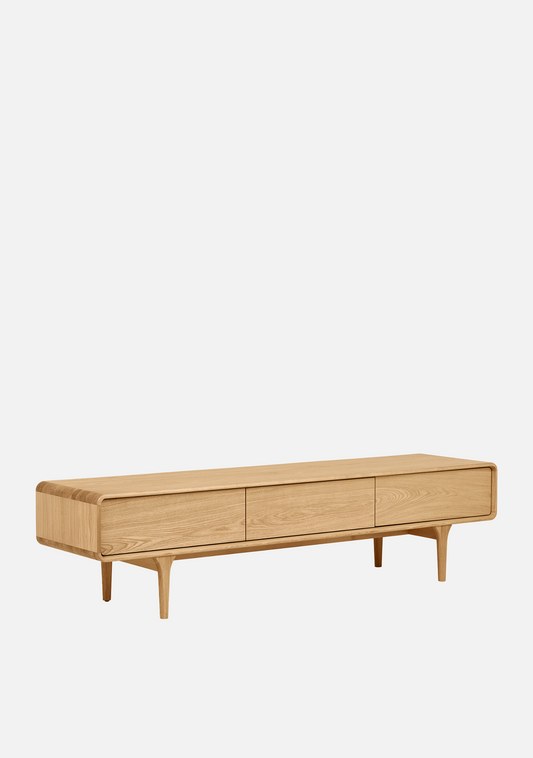
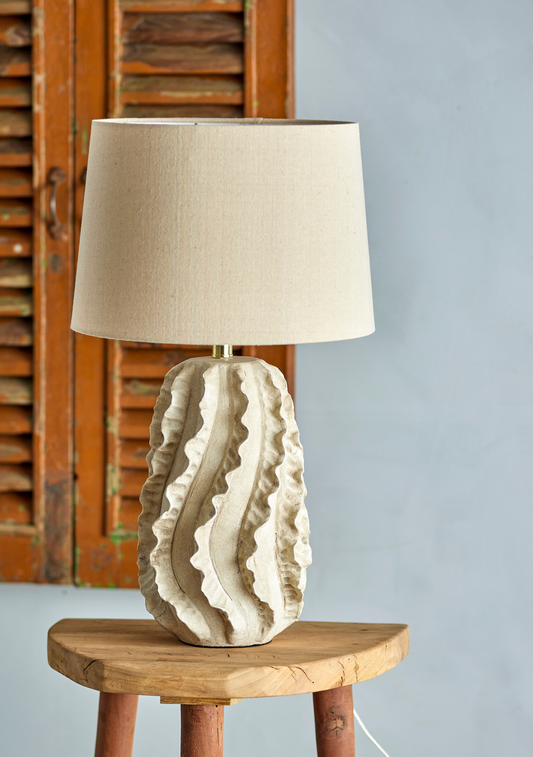
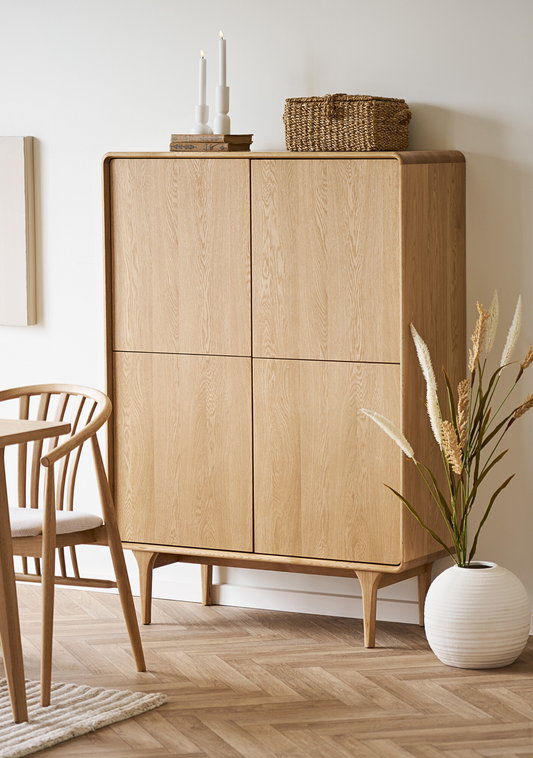
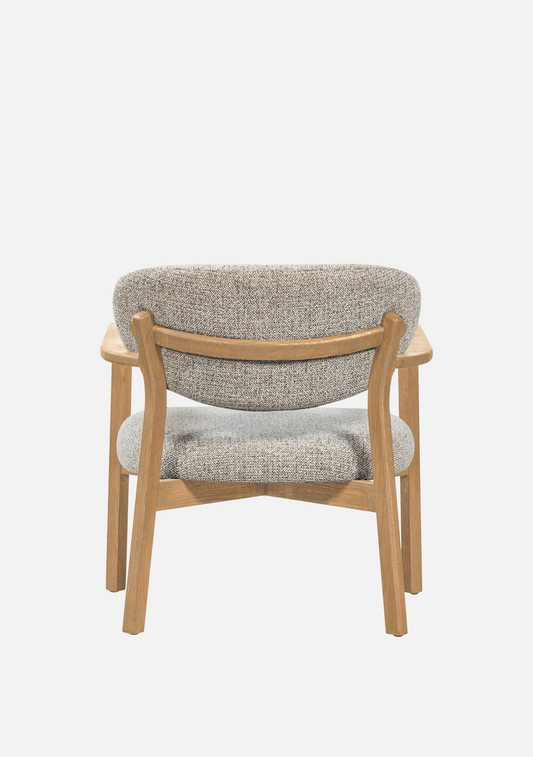
Elara Maison anticipates this through oak-framed modular furniture, travertine surfaces, and fabrics woven from hemp and linen — materials that are not decorative, but regenerative.
Material Intelligence and Sensory Design
The tactile revolution continues.
In 2026, designers think through the hand, not the eye.
Every surface must invite touch, absorb light softly, and balance temperature naturally.
European studios embrace material honesty: stone remains matte, wood stays open-pored, metal breathes through patina.
Artificial gloss gives way to authenticity.
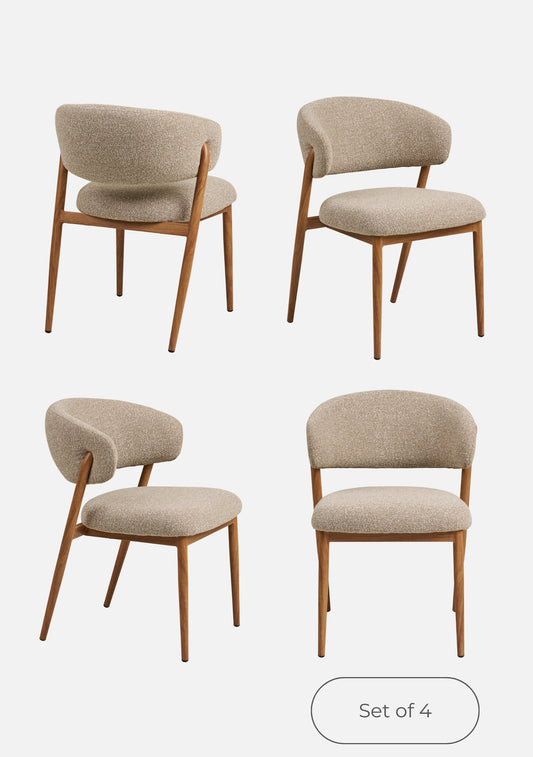
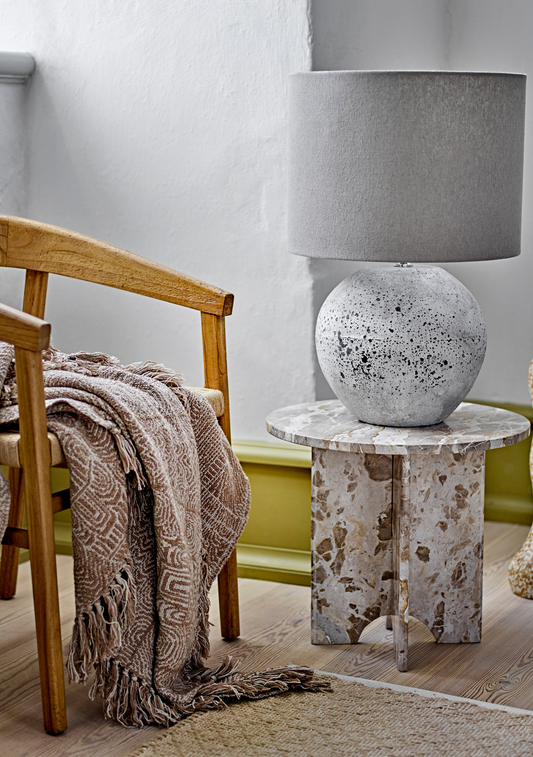
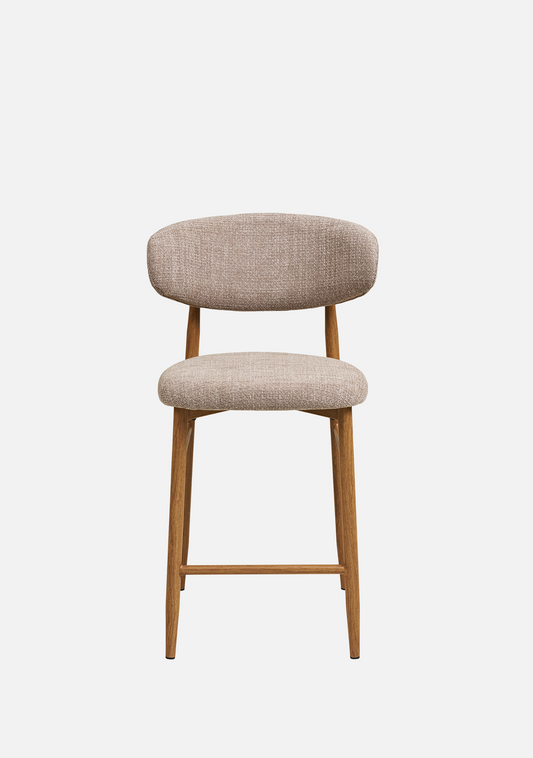
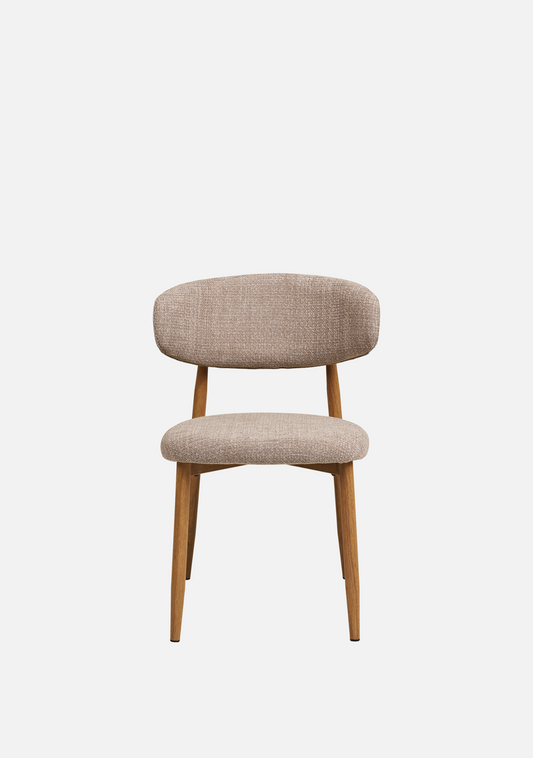
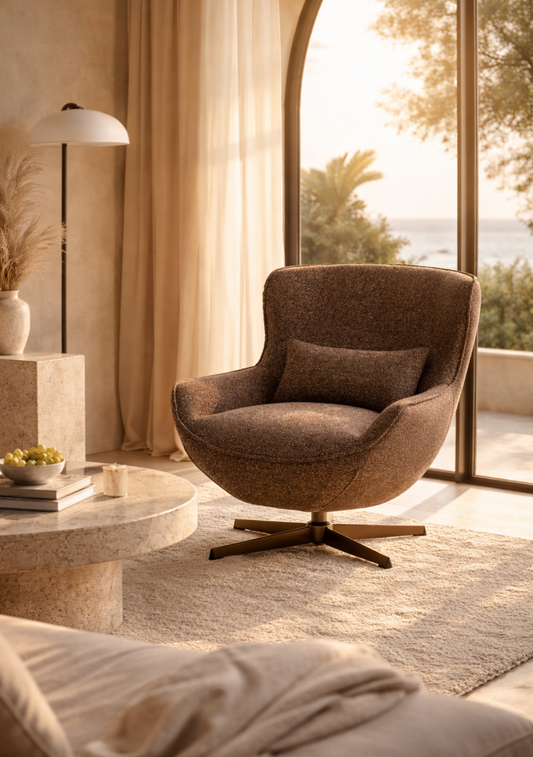
Elara Maison’s Mineral Harmony line exemplifies this shift: oak tables finished with plant oils, bouclé and linen textiles, and sand-textured ceramics. Each object tells a story of restraint — where silence and touch become luxury.
Colour Psychology and the 2026 Palette
Colour forecasting for 2026, led by WGSN and Pantone Europe, identifies “grounded vitality” as the prevailing mood.
Soft mineral tones — sage, clay, ochre, terracotta, and sea-mist blue — dominate interiors.
These colours function across Europe’s diverse light conditions — the pale skies of Amsterdam, the golden reflections of Florence, the silver glow of Oslo.
The new European palette is tonal, not contrasting — meant to quiet the mind, not stimulate it.
Elara Maison’s curated hues echo geological landscapes: clay from Provence, stone from Tuscany, sand from Portugal, moss from Bavaria. Each tone evokes place and permanence.
The Return of Organic Geometry
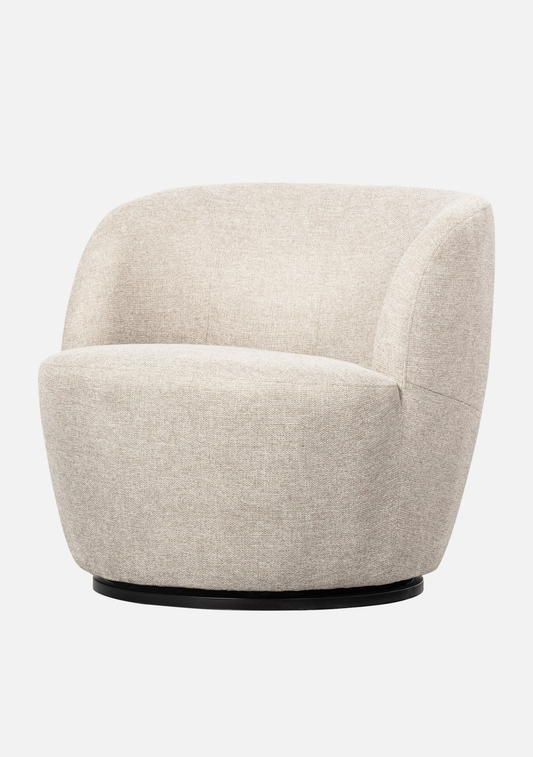
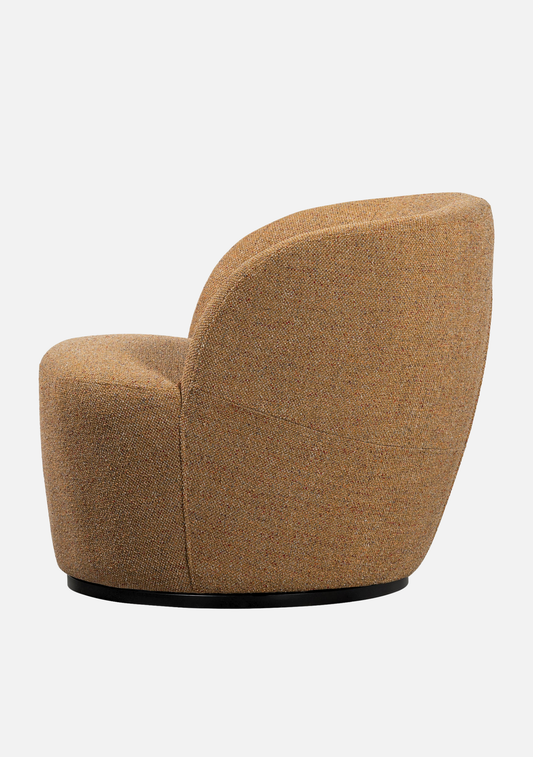
Curves take over linear rigidity.
Psychological studies from the University of Florence (2025) show that rounded forms are subconsciously associated with safety and comfort, while sharp lines increase tension levels by up to 18 %.
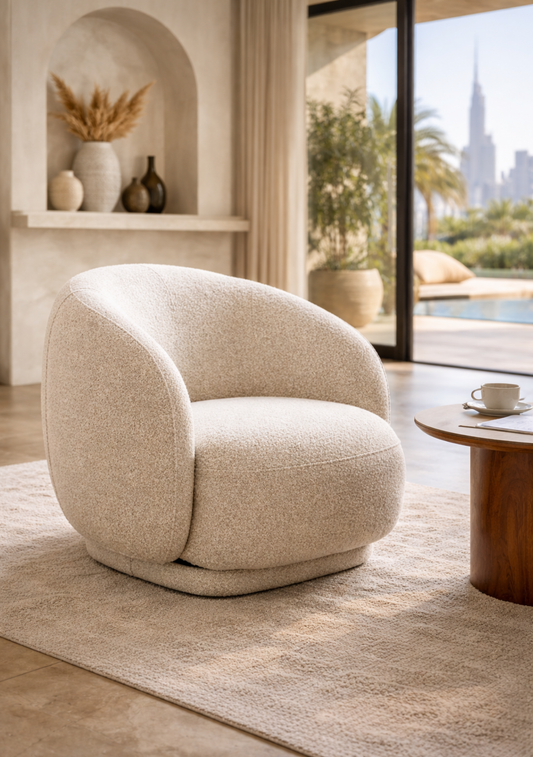
Designers translate this into organic minimalism: sculptural furniture with soft geometry, circular lighting forms, and flowing spatial transitions.
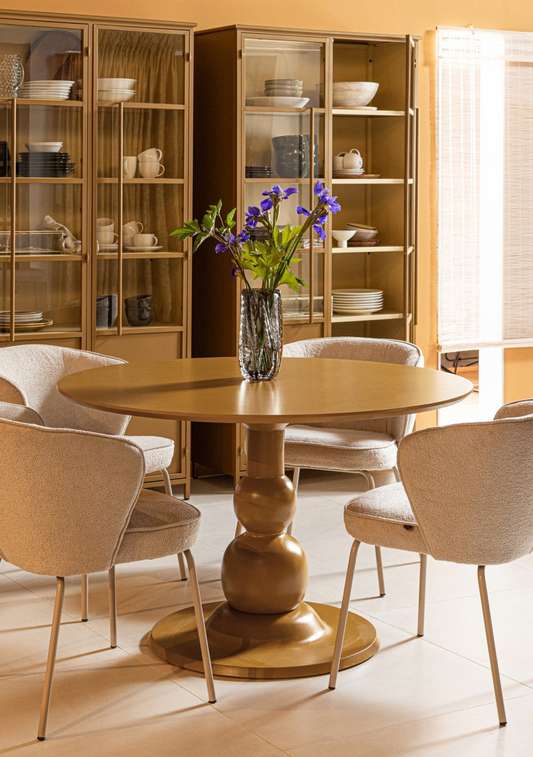
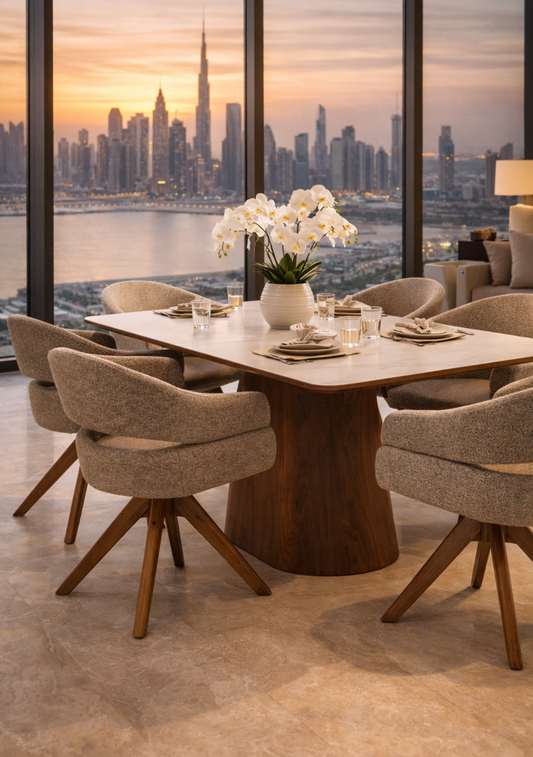
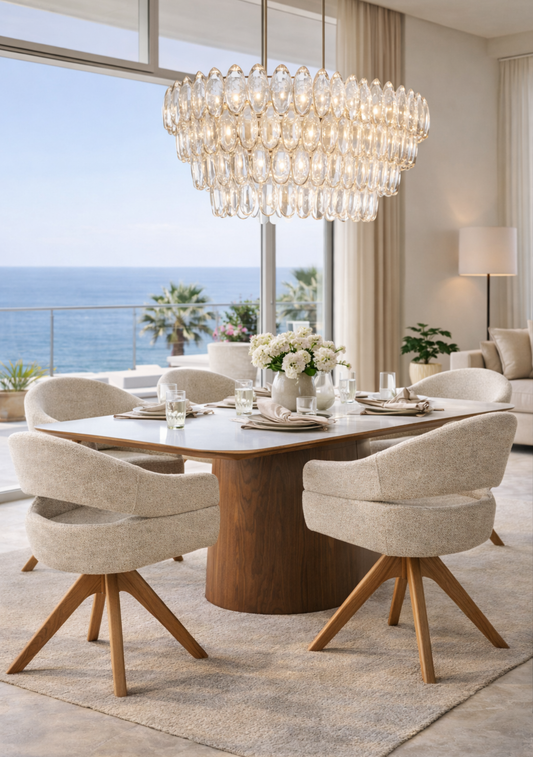
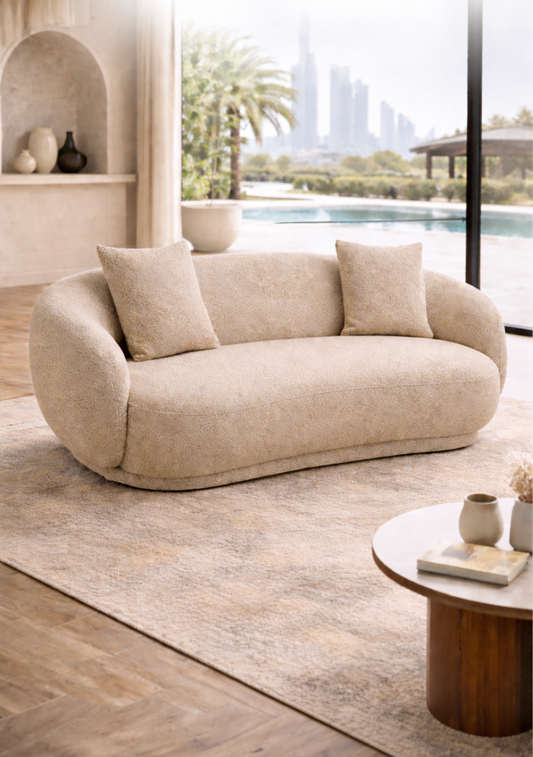
Elara Maison embodies this in its “Contour” collection — modular sofas with biomorphic symmetry, glass-and-brass lamps shaped like shells, and dining tables inspired by river stones.
This is not softness for its own sake — it’s geometry with empathy.
Light as a Living Material
No design element impacts wellbeing more than light.
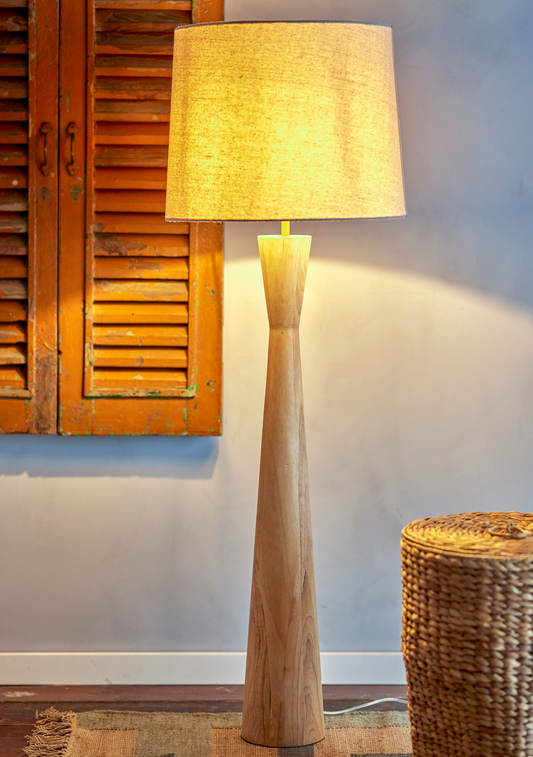
The European trend of 2026 treats lighting as the “fourth material”, equal to wood, fabric and stone.
Adaptive systems now simulate natural daylight cycles, synchronising the interior with human circadian rhythm.
According to Real Simple Europe (2025), adaptive light environments reduce sleep disruption by 23 % and elevate productivity by 11 %.
Elara Maison’s lighting collaborations with Italian and Danish studios merge craftsmanship and neuroscience:
ribbed glass diffusers scatter light like morning fog; brass reflectors warm tones at sunset.
Light becomes narrative, shaping emotion through rhythm and reflection.
Silent Luxury and Acoustic Comfort
In a world of constant digital noise, silence is a rare commodity.
Designers increasingly prioritise acoustic performance as a form of mental wellbeing.
Walls now double as sound absorbers, textiles mute echoes, and natural fibres soften frequencies.
Elara Maison integrates acoustic intelligence into tactile beauty — wall panels made from compressed wool, linen curtains with acoustic weave, and furniture with integrated sound-absorption layers.
The result is an environment that feels — and sounds — serene.
Craftsmanship 2.0: The European Renaissance
Handcraft is no longer nostalgic; it’s strategic.
The most luxurious interiors in 2026 celebrate the imperfection of the hand.
From Portugal’s wood ateliers to Belgium’s linen workshops and Italy’s bronze foundries, designers revive tactile authenticity.
Elara Maison collaborates with European artisans to merge ancestral savoir-faire with digital precision.
Each piece carries both code and fingerprint — technology refined by human touch.
It’s not mass production; it’s slow excellence.
Technology That Disappears
The smartest interiors are invisible.
Technology now hides within craftsmanship — charging surfaces built into tables, sensors embedded in mirrors, adaptive climate control concealed behind wall panels.
AI assistants manage temperature and light automatically, adjusting to occupancy and time of day.
Elara Maison integrates this philosophy through its “Smart Elegance” line — sideboards with concealed wireless hubs, lamps that follow daylight, and modular desks with integrated ventilation systems.
Innovation, finally, has learned discretion.
Sustainable Luxury and Circular Design
Luxury in 2026 is measured by traceability and longevity.
The European client values authenticity — knowing where, how and by whom a piece was made.
Elara Maison publishes Sustainability Dossiers for each product, detailing material origin, energy use and recyclability index.
Circular design replaces fast furniture. Modular systems enable repair, reassembly, and repurposing.
According to EU Design Statistics 2025, 62 % of premium brands in Europe now prioritise repair services over replacements.
Elara Maison’s commitment aligns with this evolution: fewer pieces, deeper stories, lasting beauty.
Hybrid Spaces and Emotional Functionality
Home, work, and hospitality are merging.
Designers create spaces that adapt emotionally as well as physically.
A hotel in Copenhagen feels like a private home; a Milanese apartment doubles as an art studio.
Elara Maison’s “Heritage Contract” line answers this fluidity.
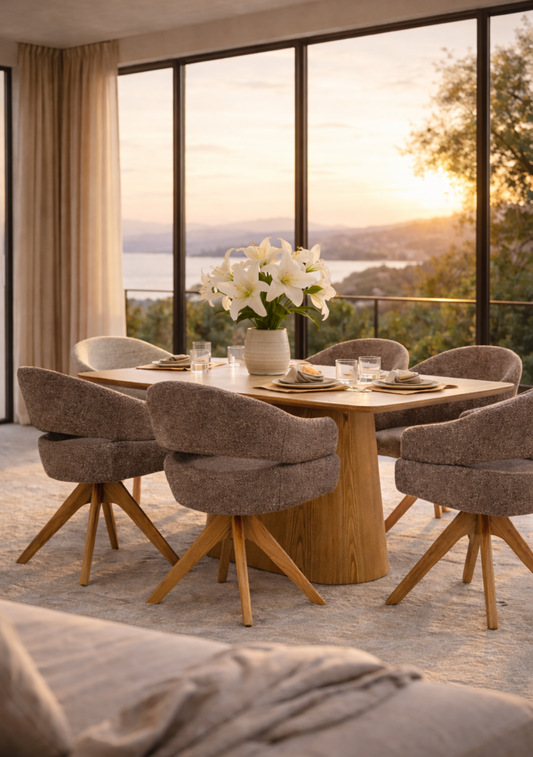
Pieces are modular, mobile, and resilient — oak dining tables that convert into workstations, sofas that reconfigure for gatherings, lighting that shifts between task and ambience.
Design now moves with the rhythm of life.
Regional Aesthetics Across Schengen Europe
Each European country interprets this new consciousness through its own cultural lens:
– France balances heritage and restraint — limewashed walls, linen drapery, sculpted oak.
– Italy embraces material sensuality — travertine, bronze, and terracotta dominate.
– Spain and Portugal blend sunlight with texture — clay, cork, woven straw.
– Germany and Austria focus on functional precision and sustainability — birch, matte stone, and modular clarity.
– Scandinavia continues its poetic minimalism — pine, wool, and diffuse shadow.
– Belgium and the Netherlands lead in tactile modernism — greige palettes, layered textures, sculptural balance.
– Switzerland, Luxembourg, and Liechtenstein merge precision with comfort — neutral luxury, minimal ornamentation.
– Poland and Czechia rise as new centres of material innovation — fusing tradition with contemporary form.
Across all these regions, Elara Maison remains a unifying thread: European intelligence expressed through emotional restraint.
The New Metrics of Value
By 2026, design studios must document measurable impact.
Carbon tracking, life-cycle assessments, and social transparency define value.
The EU’s Design for Climate Directive mandates traceability for projects above 250 m², pushing interior designers to think like environmental engineers.
Elara Maison provides certified data for every collection — allowing architects and developers to align aesthetics with accountability.
Design becomes quantifiable ethics.
The Psychology of Calm: Emotional Ergonomics
European interiors shift from visual dominance to sensory coherence.
Researchers call it emotional ergonomics — the study of how material, proportion, and light influence mental health.
Spaces that are visually ordered and texturally soft improve focus, lower heart rate, and extend dwell time in retail and hospitality environments.
Elara Maison applies these insights through The Three-Layer Model:
visual harmony, tactile depth, and environmental coherence.
The result: interiors that feel intuitively “right”.
Hospitality, Retail and the Experience Economy
Hotels and stores are no longer defined by style — but by sensation.
Lobbies feel like sanctuaries; boutiques become art installations.
Designers curate journeys through temperature, sound, and scent.
Elara Maison collaborates with European hospitality groups to craft immersive experiences — interiors that tell stories through material sequencing and light choreography.
Every object becomes narrative.
Education, Craft and the New Generation
Design schools across Europe — from Paris’s ENSAD to Eindhoven, Milan and Lisbon — integrate sustainability, neuroscience and AI into curricula.
Students now study psychology alongside architecture.
The designer of 2026 is part artist, part ecologist, part data analyst.
Elara Maison mentors young talents through its “Craft & Conscience” programme, supporting projects that blend material experimentation with ethical innovation.
The future of design belongs to those who combine empathy with intellect.
The European Mindset: From Fast to Deep
The greatest trend of 2026 cannot be photographed — it must be felt.
Europe’s design culture embraces slow luxury: refined, regenerative, and grounded in time.
Spaces are quieter, materials more honest, colours softer.
Elara Maison defines this philosophy not as nostalgia but as evolution — a mature beauty built on restraint and intelligence.
When design ceases to shout, it finally begins to speak.
The Elara Maison Vision
Design is an act of care.
The interiors of the future will not simply exist — they will breathe, balance, and endure.
Elara Maison believes in crafting spaces that serve both humanity and the planet: intelligent, tactile, timeless.
Because the future of design in Europe is not innovation for its own sake — it’s conscious restoration.
Where light meets grain, and silence meets air, begins the art of living according to Elara Maison.
Explore More
If you enjoyed this article, we invite you to explore our exclusive collections:
- New Arrivals – Furniture & Décor
- Sofas – Comfort & Elegance
- Smart Furniture & Lighting
- Sustainable Design Furniture
Written by Elara Maison Journal
Curating the Future of European Interiors & Timeless Design.