How Thoughtful Design Can Reframe Our Lives, Wellbeing, and the Way We Work
By Marina EllisonShare
The Transformative Power of Nature-Inspired Interiors
I. Introduction: The Return to What Grounds Us
We live in a world engineered for speed. Notifications disrupt thought, concrete replaces soil, and artificial lights extend our days long past sunset. Amid this noise, a quiet revolution is taking root—one that calls us back to nature. Not as a fleeting trend, but as a meaningful return to harmony. The way we design our spaces is shifting—from sterile minimalism or overstimulation to intentional calm.
This is not about rustic décor or farmhouse charm. It is about psychological resonance. It is about how interiors reflect nature’s rhythm to recalibrate our lives. In this article, we explore why nature-inspired design is not only beautiful—it is essential. You will see how biophilic principles, natural materials, and elemental palettes offer more than aesthetics. They are a form of therapy. A vision for a more conscious, connected way of living.
If you have ever felt your breath deepen in a forest—or found clarity near the sea—you already understand the power of nature. Now imagine that same emotion woven into the spaces you inhabit daily. This is the future of interiors.
II. The Science of Nature and the Mind
Over the past decade, breakthroughs in neuroscience and environmental psychology have affirmed what instinct has long known: nature heals. Exposure to natural environments lowers cortisol, stabilises heart rates, enhances cognitive function, and boosts creativity. But what about the spaces where we spend 90% of our time—our homes, offices, and public buildings?
Studies from Harvard and the University of Exeter show that biophilic design—interiors inspired by nature—can:
- Increase productivity by 8–12%.
- Enhance learning, comprehension, and retention.
- Lower stress within just 15 minutes.
- Improve perceived wellbeing, even in urban settings.
The takeaway: natural materials, organic forms, and elements like wood, water, plants, and light are not fads. They are foundational.
III. Designing for the Senses, Not Just the Eyes
Contemporary interior design has long prioritised the visual. But nature-inspired spaces engage the full spectrum of human senses. The way a linen curtain moves in the breeze. The sound of oak beneath bare feet. The cool heft of stone, the warmth of clay walls, the scent of waxed wood.
When design accounts for texture, temperature, acoustics, and scent, it evolves from aesthetic to immersive.
Key sensory principles for grounded design:
- Sound: Use textiles and natural acoustics to reduce reverberation.
- Touch: Embrace tactile materials such as wool, rope, and reclaimed timber.
- Scent: Incorporate natural oils, resins, and beeswax finishes.
- Light: Favour natural daylight through open architecture and layered transparency.
This is why nature-inspired interiors feel emotionally deeper. They are not simply observed. They are experienced.
IV. The Emotional Geometry of Nature
Nature is not linear. It moves in fractals, spirals, branches, and circles. These patterns—found in coastlines, trees, and even the human body—also appear in enduring architecture.
Frank Lloyd Wright’s organic forms, the symmetry of Japanese tea rooms, and Moroccan zellige tiles all reflect nature’s intelligence. Our minds recognise and respond to these patterns. They ground us, offering calm and orientation. In contrast, harsh geometry and rigid symmetry provoke tension.
To design with nature is to design with feeling. Curves, asymmetry, and organic proportion reconnect us with something primal: memory.
V. Materials That Tell the Truth
In a synthetic world, natural materials embody truth. Stone does not lie. Wool does not imitate. Reclaimed wood carries a story.
Core elements of nature-rooted interiors:
- Wood (preferably FSC-certified): Grounding, warm, enduring.
- Linen & wool: Breathable, sustainable, beautifully imperfect.
- Clay, lime, mineral paints: Soft tones, tactile finishes, health benefits.
- Natural stone (e.g. marble, slate, travertine): Textured, timeless.
- Rattan, jute, sisal: Organic, light, tactile.
The aim is not merely to use these materials, but to let them express themselves. Do not sand away every knot or polish every imperfection. Age and weather deepen beauty. Choose materials that evolve, not deteriorate.
VI. Healing Homes and Future Cities
Nature-inspired design should not be reserved for retreats. It is essential in cities, schools, hospitals, and workplaces. In an era of regenerative design, sustainability alone is insufficient. Interiors must actively repair the disconnection they once enabled.
Examples of transformative design:
- Khoo Teck Puat Hospital, Singapore: Structured like a rainforest canopy—patients heal faster.
- Google’s Biophilic Campuses: Blending daylight, timber, and gardens to foster innovation.
- Homes by Norm Architects and Studio KO: Minimalist sanctuaries grounded in emotional wellness.
Every environment—from a hotel lobby to a home kitchen—can become a space of restoration.
VII. The Psychology of Colour: More Than Neutral
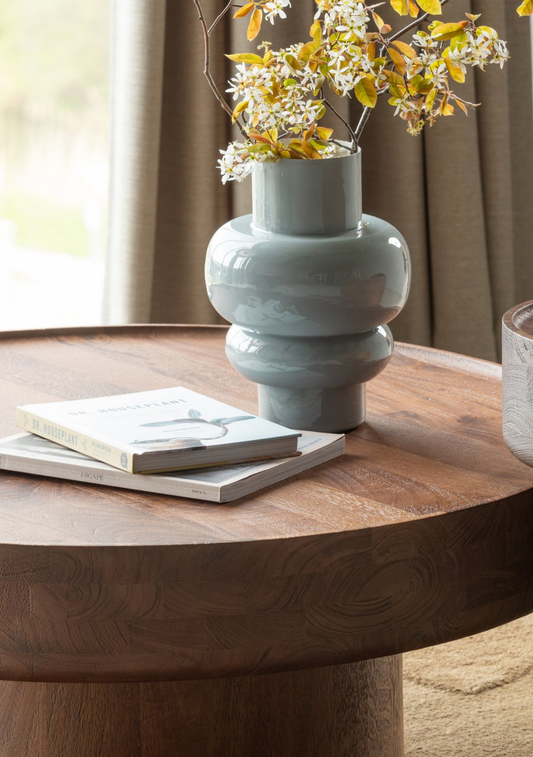
Nature’s palette is not beige. It is alive, nuanced, and seasonal. Autumn’s ochres, deep greens, stone greys, and mist whites evoke a grounded calm. Earth tones, when used with intent, influence emotion:
- Terracotta: Earthy and stabilising.
- Olive green: Restorative and balanced.
- Slate and charcoal: Introspective and strong.
- Soft whites: Open, pure, clarifying.
Avoid sterile greys or synthetic brights. Let your interior feel like a living landscape—layered and atmospheric.
VIII. Nature-Inspired Rooms: Function-Driven Design
1. Bedroom: Regenerative Sanctuary
- Linen bedding, wool throws, mineral paint.
- Heavy curtains and natural scents like cedar or lavender.
- Remove screens and use warm, diffused lighting.
2. Kitchen: Elemental Centre
- Natural worktops, open shelves, clay or copper vessels.
- Indoor herb planters.
- Embrace fire and water as core forces.
3. Workspace: Focus and Clarity
- Prioritise daylight and breathing space.
- Integrate wood desks and greenery.
- Avoid clutter and harsh artificial light.
4. Living Room: Grounding and Gathering
- Rounded shapes, layered lights, handwoven rugs.
- Combine natural artefacts with crafted decor.
Nature encourages flow, not perfection.
IX. Accessible Nature: Beauty on Any Budget
Nature-inspired design is for everyone. Even small shifts bring profound changes:
- Replace synthetic textiles with natural fibres.
- Paint one wall in earth tones or limewash.
- Introduce foliage—real or lifelike.
- Swap plastic storage for woven options.
- Use ambient, soft lighting.
A natural home starts with one aligned choice.
X. Conclusion: From Shelter to Sanctuary
We do not need more things. We need resonance. And nature provides it.
Nature-inspired design is not indulgence—it is intelligence. A return to ancestral awareness. A move toward sustainability with soul. When we invite wood, stone, light, and silence into our homes, we do not merely decorate. We reconnect.
This is not a style. It is a movement. One room. One moment. One mindful breath.
Let your home become a living landscape—a place that reminds you of who you truly are.
FAQ – Frequently Asked Questions
1. What is biophilic design?
Biophilic design refers to the integration of nature into built environments. It reconnects people with natural elements—through materials, patterns, textures, and light—to foster wellbeing and reduce stress. It is not a decorative trend but a holistic approach to healthier living.
2. Why are natural materials important?
They offer honesty and emotional depth. Stone, wood, wool, and linen invite the senses and gain character over time. Unlike synthetic materials, they ground the space and create lasting emotional comfort.
3. How does nature affect wellbeing?
Scientific research confirms that exposure to natural elements lowers cortisol levels, boosts focus and creativity, and accelerates recovery. Even indirect elements—such as natural forms and organic textures—can trigger calming physiological responses.
4. Which colours are best for nature-inspired interiors?
Earth tones drawn from seasonal landscapes: terracotta, olive green, warm greys, slate, mist whites. These shades promote emotional balance and depth without feeling sterile or artificial.
5. Can I create a nature-inspired space on a modest budget?
Yes. Small changes make a significant impact—introducing natural fibres, adding greenery, using soft ambient lighting, or repainting a wall in a mineral shade can shift the atmosphere dramatically.
6. What element contributes most to the feeling of nature in a room?
Tactile authenticity. Raw wood, linen, beeswax finishes, asymmetrical forms, and natural light together create a sensory-rich environment that evokes the serenity of the outdoors.
7. Where can I see examples of biophilic interiors?
Notable examples include Norm Architects, Studio KO, Khoo Teck Puat Hospital in Singapore, and Google’s biophilic campuses. Elara Maison’s curated collections also reflect this philosophy.
Explore More on Natural Interiors & Conscious Design
Inspired by Nature: Modern Furniture in Oak, Stone and Rattan
Discover how timeless materials elevate modern interiors with warmth, texture, and authenticity.
How Bouclé and Oak Are Redefining Scandinavian Interiors in 2025
Explore the future of Scandinavian design through tactile fabrics and grounded, natural palettes.
Scandinavian Interior Trends 2025: What No One Tells You About Texture, Comfort & Sustainability
Uncover design insights that prioritise well-being, ecological responsibility, and understated elegance.
The Ultimate Sofa Buying Guide for European Homes: Styles, Materials, Size & Care
A detailed guide to selecting high-quality, sustainable sofas tailored to your lifestyle and space.
Timeless Coffee Table Styles for Natural European Interiors
Browse curated pieces that fuse organic aesthetics with practical living.
Live-Edge Coffee Tables Crafted from Natural Wood
Celebrate craftsmanship and the raw beauty of wood with unique, sculptural coffee tables.
Natural Living • Timeless Comfort • Eco Seating
Discover seating collections that prioritise comfort, longevity, and eco-conscious design.
Minimalist Interiors That Sell: Unlocking the Power of Japandi for Real Estate Profit
Learn how Japandi-inspired design enhances property value while fostering calm and clarity.
Designing Calm: Why Japandi Interiors Define the Future of Conscious Living
A thoughtful perspective on how minimal, nature-rooted spaces support emotional well-being.