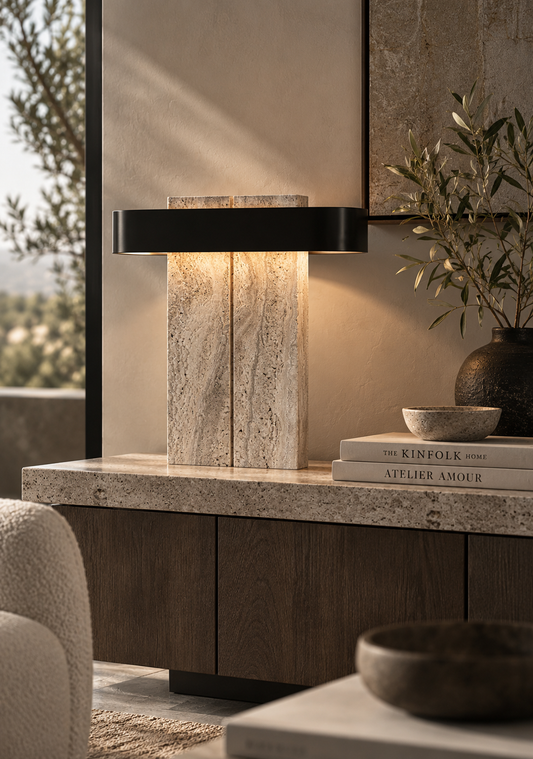
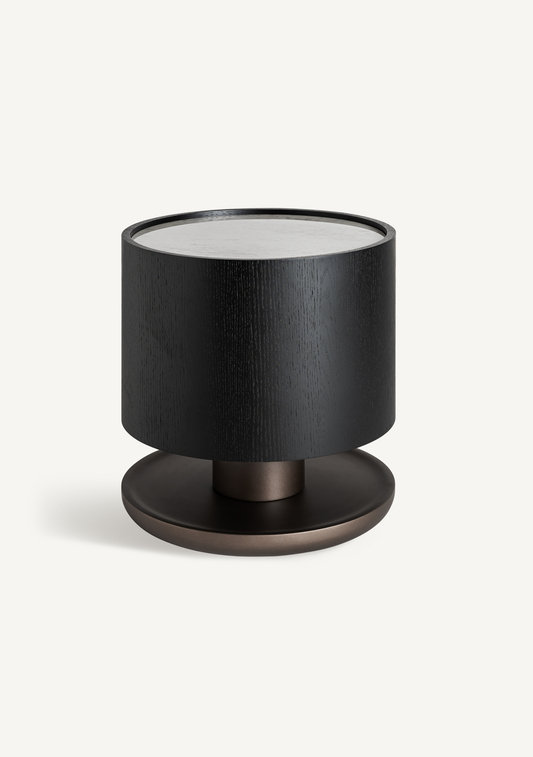
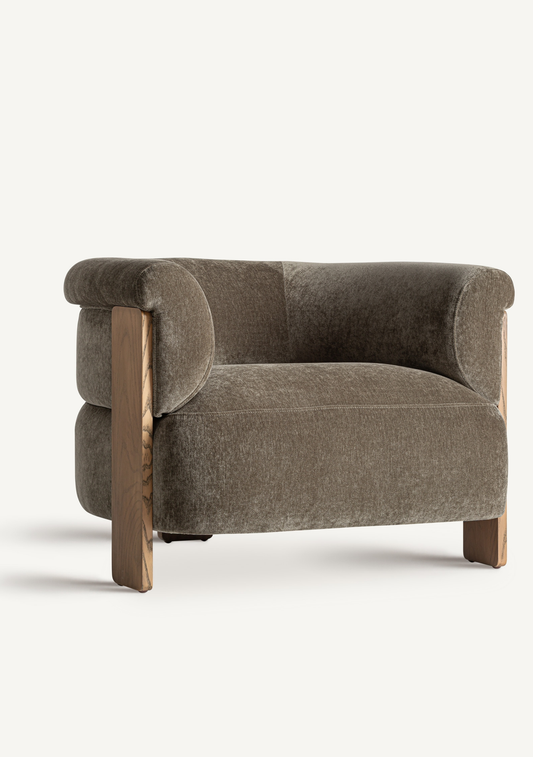
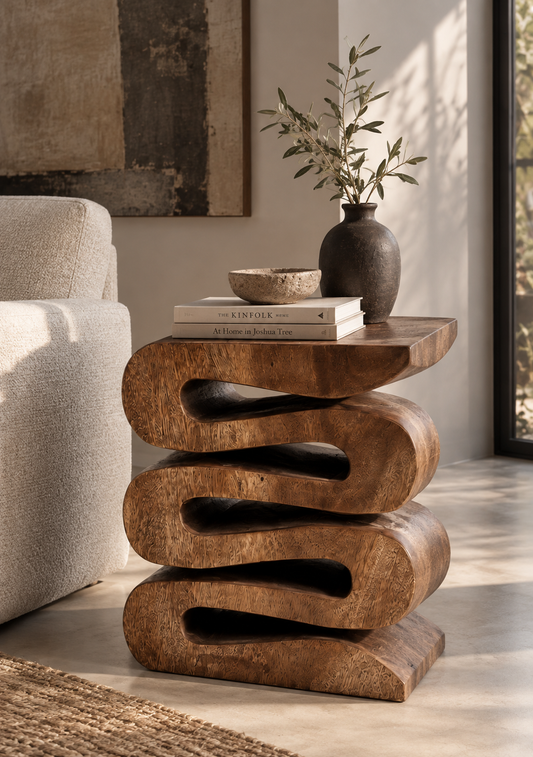
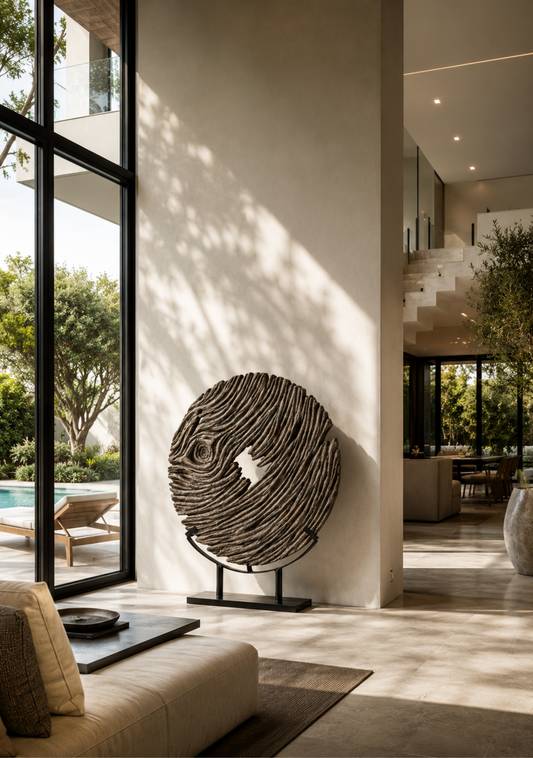
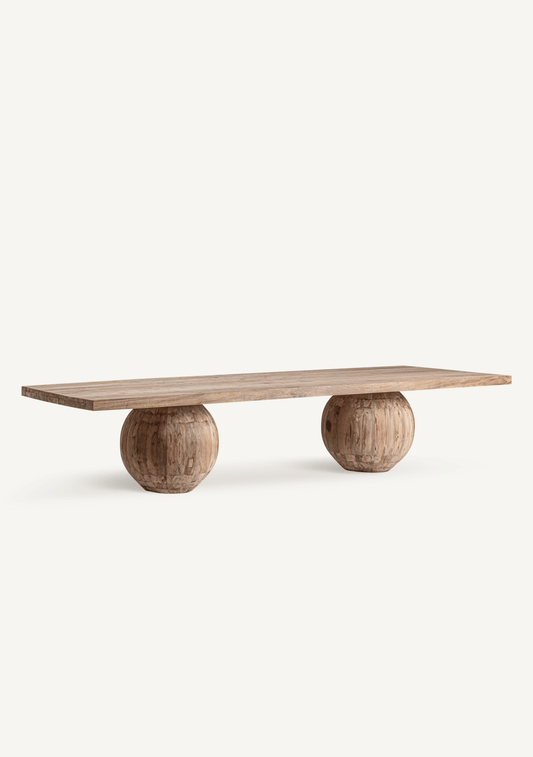
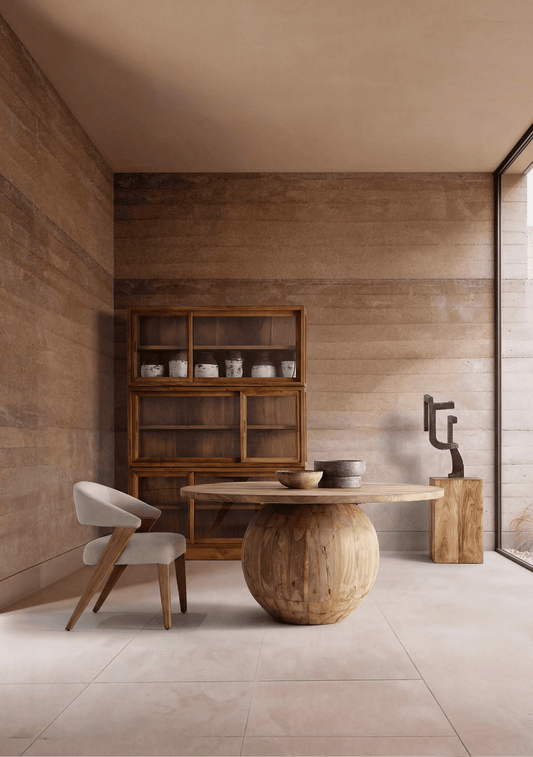
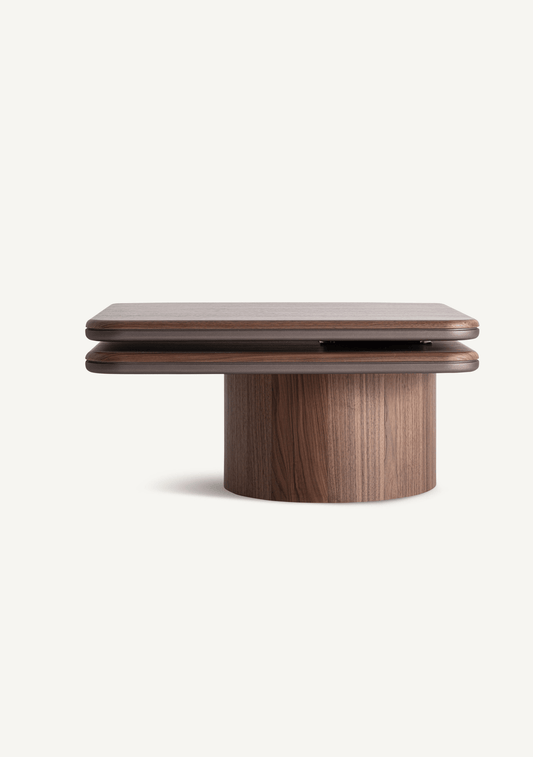
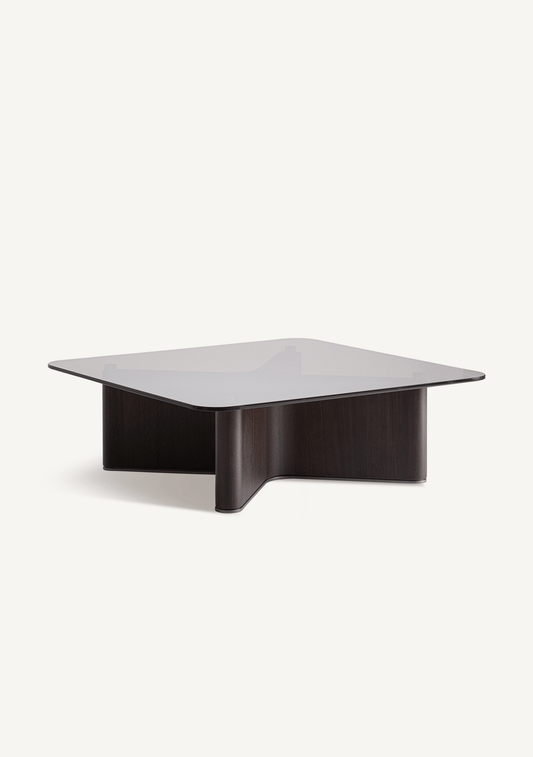
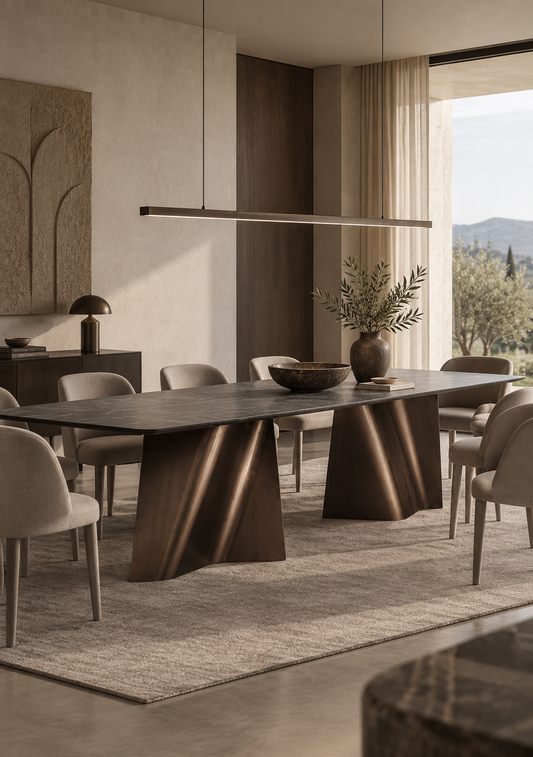
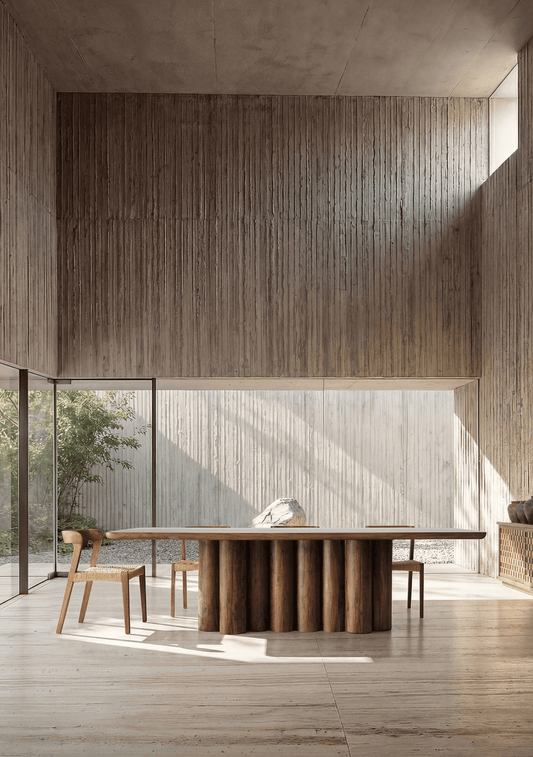
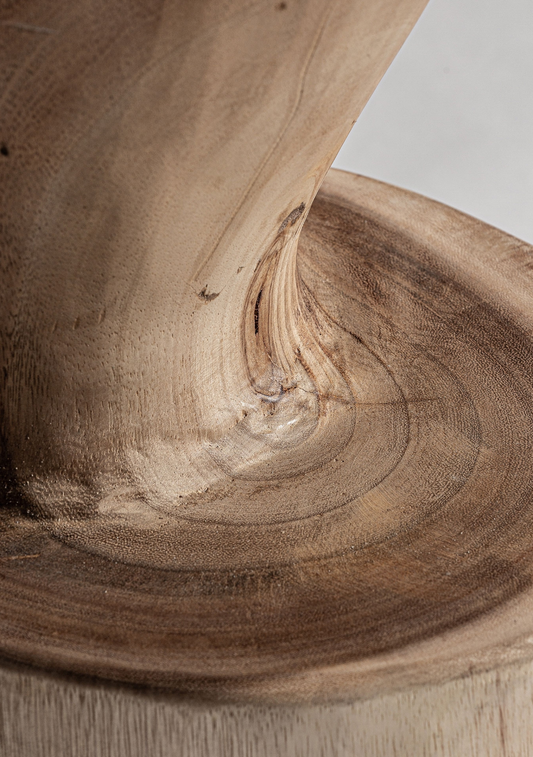
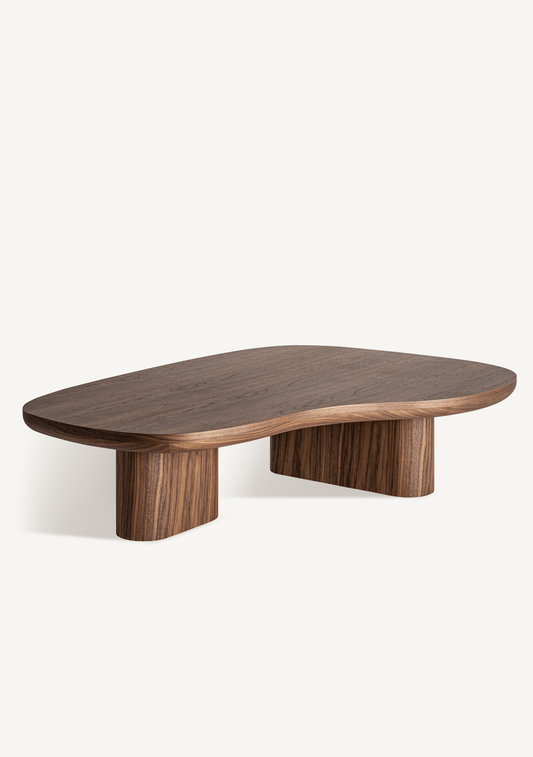
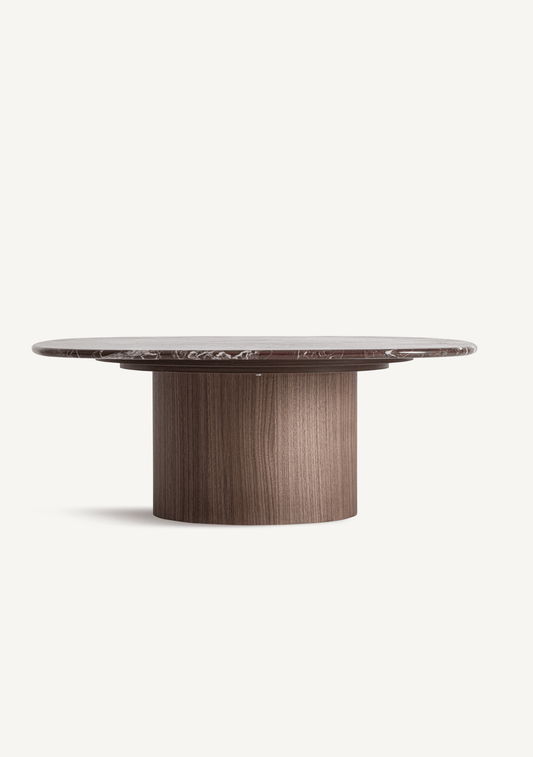
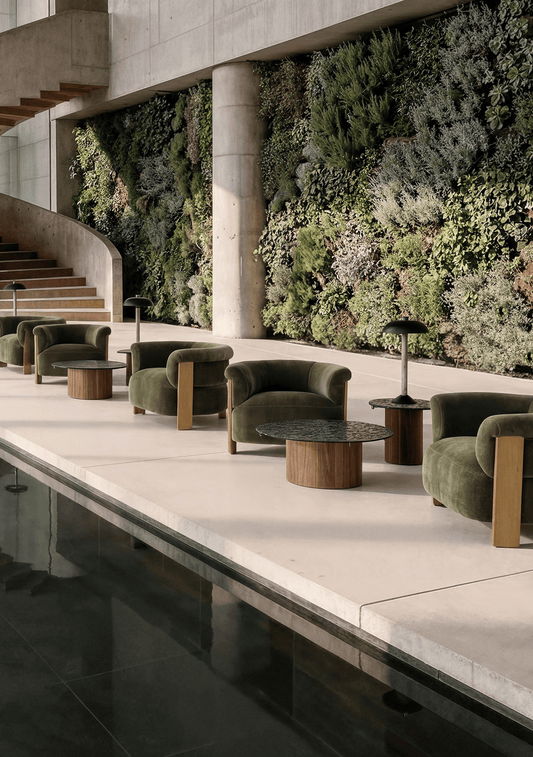
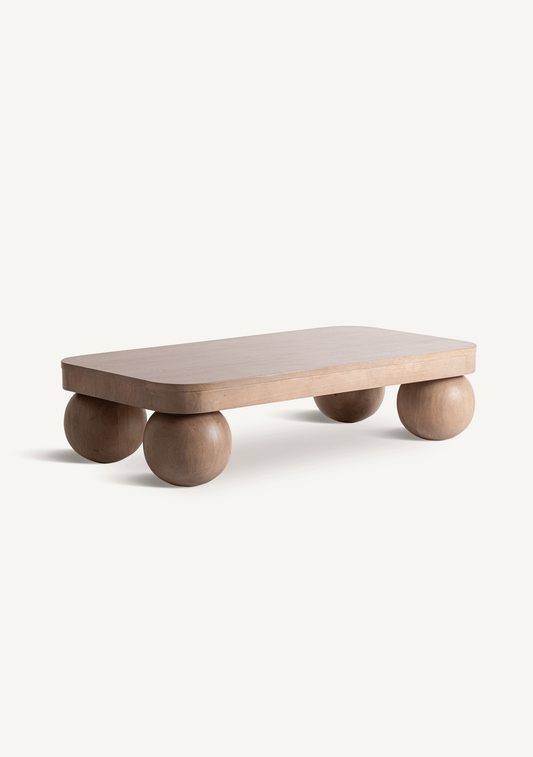
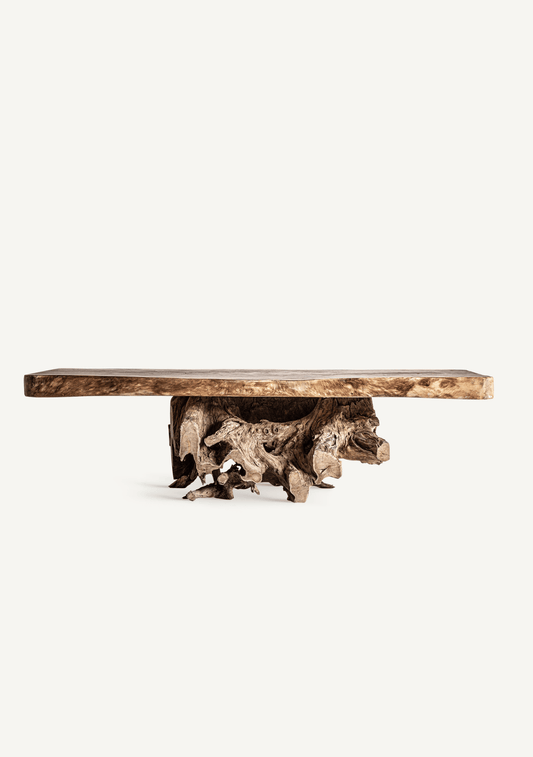
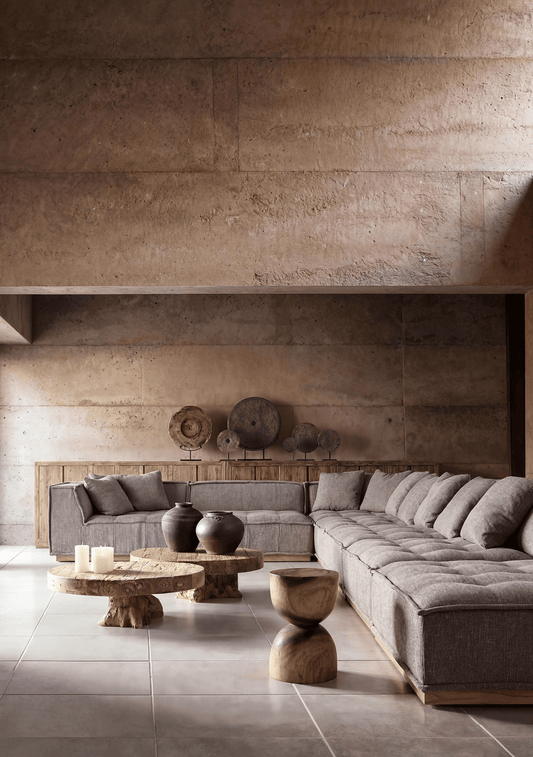
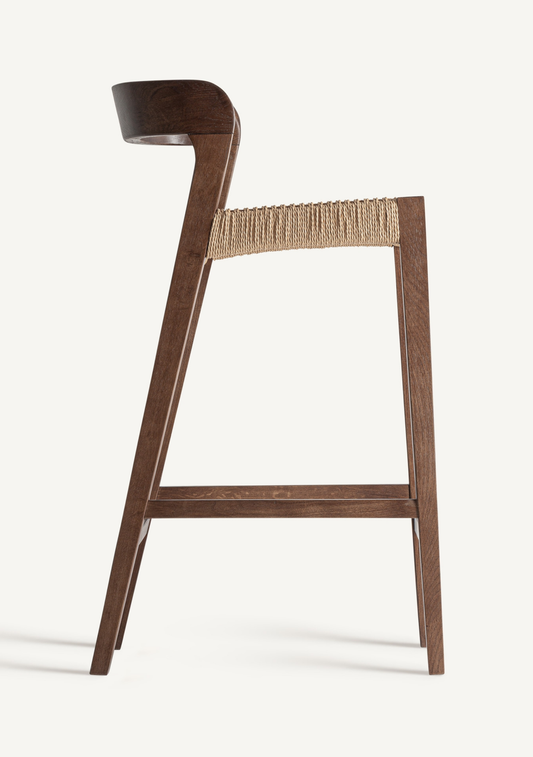
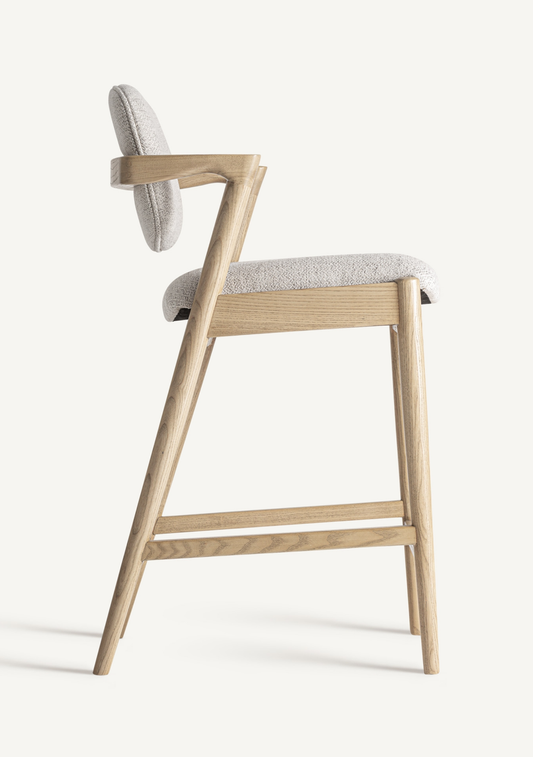
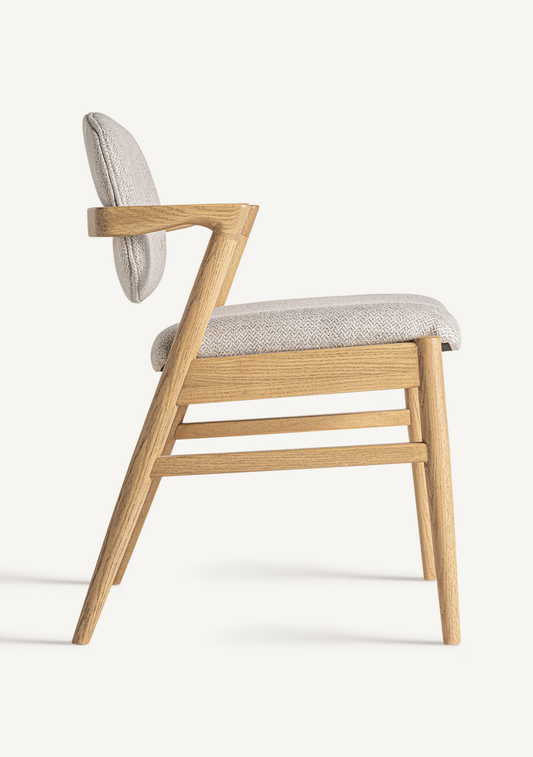
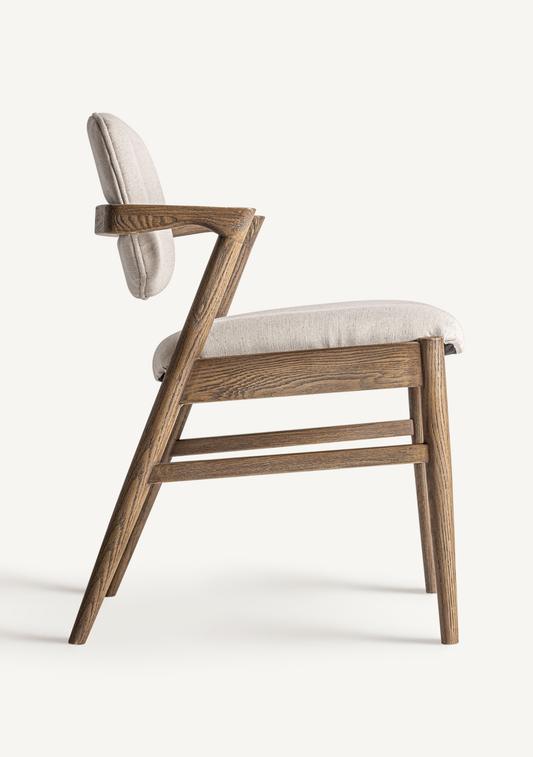
Designed for Living. Curated for Hospitality.
Share
Furniture, lighting and interior objects from selected European brands, curated for apartments, private homes, restaurants and hotels.
The spaces people remember are rarely those containing the most furniture. They are the ones where every element feels as though it belongs—where proportions create balance, materials shape the atmosphere and beauty works naturally with everyday life.
Marina Ellison founded Elara Maison to help private clients and hospitality professionals create coherent interiors with greater clarity and confidence. We curate furniture, lighting and decorative objects for their distinctive design, material quality, functionality and ability to work naturally together.
For a private client, that may mean transforming an apartment or house into a home that feels calm, personal and genuinely comfortable. For a restaurant or hotel, it means creating an environment that expresses the identity of the business, supports the way the space operates and becomes a memorable part of the guest experience.
We do not believe that more choice always leads to a better result. By narrowing an overwhelming market to a focused collection, we help clients save time, avoid disconnected purchases and choose pieces suited to the scale, purpose and everyday use of their space.
Why Elara Maison Exists
Finding a beautiful chair or table is easy. Understanding whether it has the right proportions for a particular room, works naturally with the surrounding pieces and supports the way the space will be used is considerably more difficult.
Online catalogues often present products in isolation. They rarely show how a piece will relate to the dimensions of a room, interact with surrounding materials or affect the way people move through the space. The result can be an expensive collection of individually beautiful objects that never forms a convincing whole.
Elara Maison offers a more focused alternative: furniture, lighting and interior objects from selected European brands, curated to help clients create spaces that feel coherent, distinctive and suited to the way they will be used.
We are drawn to warm contemporary interiors, organic forms, natural influences, tactile upholstery and restrained colour palettes. We follow the evolution of European design, but select pieces for more than their immediate relevance. Our aim is to create interiors that feel current without feeling temporary—spaces with the character and flexibility to evolve over time.
Different Spaces. One Essential Principle.
An apartment, a family home, a restaurant and a hotel require different decisions. Yet they share one essential principle: design must serve the people using the space.
Before considering individual products, the more important questions are:
- How should the space make people feel?
- How will they move through and use it?
- Which proportions, materials and finishes are appropriate?
- What should the interior communicate?
- Which choices will continue to work over time?
This is where thoughtful curation creates value. It replaces disconnected purchasing with a clear visual and practical direction.
Apartments: Making Space Feel Effortless
In an apartment, every centimetre influences how the space looks, feels and functions. A table that is only slightly too wide can restrict movement. A sofa that appears perfectly proportioned online may overwhelm the room once it arrives. Too many small pieces can make the interior feel fragmented rather than spacious.
The answer is not simply to choose smaller furniture. It is to choose better proportions.
For apartment interiors, Elara Maison favours pieces that preserve visual openness without compromising comfort or function. Slim profiles, appropriate seat depths, raised legs, balanced silhouettes and thoughtfully layered lighting can make a compact room feel lighter and more generous without taking away its personality.
Our curated selection helps clients:
- use the available space more intelligently;
- preserve comfortable movement between functional zones;
- create visual continuity between dining, living and working areas;
- introduce texture and character without visual heaviness;
- avoid costly purchases that disrupt the balance of the room;
- furnish the apartment gradually without losing the overall direction.
The objective is not to make a small apartment imitate a larger home. It is to make every metre feel purposeful, comfortable and complete.
Private Homes: Continuity Without Sameness
A home is rarely created all at once. It evolves through changing routines, meaningful objects and decisions made over time. The most convincing residential interiors therefore do not resemble furniture showrooms or matching sets. They feel connected, but never manufactured.
Elara Maison helps clients create that connection through proportion, material, colour and form. A sculptural dining table can sit naturally beside softly upholstered chairs. Contemporary lighting can complement furniture already collected over many years. Individual rooms can express distinct moods while still belonging unmistakably to the same home.
For private homes, our curated collection supports living and dining spaces, bedrooms, home offices, entrances and quiet reading areas, as well as the decorative layers that give an interior its individuality. It also allows clients to develop their home gradually—choosing new pieces that work with what they already own while maintaining a coherent direction as their needs evolve.
The guiding principle is simple: beauty must accommodate real life. Furniture should support family meals, conversation, work, rest and celebration—rather than requiring the household to adapt itself to the furniture.
Restaurants: When the Interior Becomes Part of the Menu
A restaurant experience begins before a guest tastes the food. The entrance creates the first expectation. Lighting influences intimacy and mood. The comfort and spacing of the seating affect how naturally the meal unfolds. Together, these elements shape the atmosphere guests associate with the restaurant and the way they remember the brand.
Interior design is therefore not decoration added after the concept has been developed. It is part of the concept, part of the service and part of the value offered to every guest.
Elara Maison supports restaurant projects with a focused selection of dining chairs, bar stools, tables, lounge seating, lighting and decorative objects chosen to reflect the identity of the establishment while responding to the scale and intended use of the space. This focused approach helps decision-makers compare fewer, more relevant options and maintain a coherent direction across the dining area.
For a restaurant interior to succeed, its visual character must withstand practical scrutiny. When selecting products for hospitality settings, important considerations include:
- seating comfort and appropriate seat height;
- suitable spacing and unobstructed circulation;
- the scale and desired density of the dining area;
- the cleanability and maintenance requirements of fabrics, finishes and surfaces;
- the expected frequency and intensity of use;
- quantities, lead times and the possibility of future replacements or additional orders;
- available technical, fire-safety or contract-use documentation where required.
Not every residential product is designed for intensive hospitality use. Establishing the commercial requirements at the beginning—and confirming technical suitability with the relevant suppliers and project professionals—helps protect both the design concept and the investment behind it.
The objective is an interior that expresses the restaurant’s identity, supports efficient daily operation and creates an atmosphere guests will want to experience again. It should photograph beautifully, but more importantly, it should give people a reason to remember how the restaurant made them feel.
Hotels: A Guest Experience Told Through Space
A hotel interior is experienced as a sequence. It welcomes guests in the lobby, creates reassurance in the room, shapes the atmosphere of the restaurant and connects public areas into one recognisable experience. At the same time, every selected piece must perform consistently through repeated daily use.
A successful hotel does not require every room or public area to look identical. It requires a design language strong enough to be repeated, adapted to different functions and recognised throughout the guest journey.
Elara Maison supports hotel owners, operators and project professionals by curating furniture, lighting and interior objects that can reinforce this design direction across:
- guestrooms and suites;
- reception and lobby areas;
- restaurants and breakfast rooms;
- lounges and informal meeting spaces;
- corridors and transitional areas;
- selected terraces and outdoor settings, using products intended for exterior use.
This focused selection can help maintain visual continuity across different areas while allowing each space to respond to its own purpose. It also gives project teams a clearer basis for comparing products, planning quantities and coordinating purchasing across different stages of the project.
For hospitality projects, appearance is only the beginning. Product suitability, expected intensity of use, technical documentation, quantities, phased deliveries, lead times, repeat availability and future replacement requirements all influence the long-term value of the selection. Relevant commercial-use and safety requirements should therefore be confirmed with suppliers and the appropriate project professionals before an order is finalised.
Considering these realities early helps protect the budget, reduce avoidable substitutions and preserve the intended character of the interior. The result is a hotel that feels compelling on opening day while remaining coherent, functional and manageable as the business evolves.
Why Clients Work with Elara Maison
A Recognisable Design Point of View
Our collection is guided by a clear aesthetic rather than by an ambition to represent every possible style. This gives clients a more confident starting point and makes it easier to create continuity across furniture, lighting and decorative objects. It also reduces the risk of purchasing individually attractive pieces that do not work naturally together.
Less Searching. Better Decisions.
An unlimited catalogue can consume time without providing clarity. Elara Maison narrows the search to relevant options based on the character of the interior, available space, practical requirements, project scale and budget. Clients can therefore compare fewer products, understand the differences between them and make decisions with greater confidence.
Products Considered in Context
We do not view a chair, table or lamp only as an isolated object. We consider how its proportions, shape, finish, colour and material may interact with the surrounding space and other selected pieces. This helps clients build an interior rather than simply accumulate furniture.
A Curated Selection from European Brands
Elara Maison brings together furniture, lighting and interior objects from selected European brands whose collections are compatible with our design direction. Manufacturing locations vary between products. Available information concerning origin, materials, dimensions, certification and care is therefore communicated at product level wherever it has been provided and verified.
Support for Residential and Professional Projects
A private home, restaurant and hotel do not present the same priorities. Residential clients may focus on comfort, proportion, personal character and compatibility with furniture they already own. Professional projects may also require quantity planning, commercial-use suitability, technical documentation, phased delivery and future replacement options.
Our selection process can be adapted to the scale, intended use, location, quantities, budget and schedule of the enquiry, while technical or regulatory requirements remain subject to confirmation by the relevant suppliers and project professionals.
One Clear Point of Communication
For larger enquiries, one coordinated point of communication can simplify product shortlisting, specification questions, quotation requests, availability checks and order planning. This reduces fragmented correspondence and helps the client maintain a clearer overview of the purchasing process.
Long-Term Value Over Short-Term Novelty
We do not define value only by the lowest initial price or the attraction of a passing trend. We consider the relationship between design, material, function, practical suitability and long-term relevance.
The objective is to help clients choose pieces that continue to contribute to the space after their initial novelty has faded—both visually and in the way they support everyday use.
From Brief to Delivery
1. Understanding the Project
We begin with the essential context: the type and location of the space, its dimensions, intended use, desired atmosphere, approximate budget and required timeline. Floor plans, photographs, mood boards and information about existing furniture or material choices help us understand what the new pieces need to complement.
A clear brief allows us to narrow the search from the beginning and avoid presenting options that are unsuitable for the space, purpose or budget.
2. Establishing the Selection Criteria
We turn the brief into a focused set of selection criteria, considering proportions, forms, finishes, colours, materials and the relationship between key pieces. This creates a consistent framework for evaluating products without presenting Elara Maison as a substitute for the client’s architect or interior designer.
Where a professional design concept already exists, our role is to help identify products that support its intended direction.
3. Curating the Selection
We identify suitable furniture, lighting and interior objects from the Elara Maison collection. The objective is not to present the greatest possible number of options, but to create a focused shortlist of the strongest and most relevant choices.
This makes comparison easier, reduces unnecessary searching and helps the client preserve a coherent direction throughout the project.
4. Reviewing Product and Project Requirements
Before an order is confirmed, the relevant dimensions, finishes, quantities, availability, estimated lead times and delivery conditions are reviewed using the information available from the supplier.
For professional projects, additional requirements may include expected intensity of use, maintenance needs, fire-safety documentation, commercial-use suitability or other project-specific certification. These requirements must be confirmed for each individual product with the relevant supplier and, where necessary, the project’s architect, designer or technical specialist.
5. Preparing the Quotation and Order
Once the selection has been approved, the order can be prepared according to its scope, destination and current product availability. Larger residential and hospitality enquiries may require an individual quotation, quantity confirmation and an agreed order schedule.
If products have different lead times or suppliers, the order may also require a phased purchasing or delivery plan. Any such arrangement is confirmed individually before the order is finalised.
6. Coordinating Delivery
Following order confirmation, the client receives the available information regarding expected dispatch and delivery. For larger projects, delivery stages, access requirements and the receiving arrangements should be agreed in advance.
Lead times and delivery dates may depend on manufacturers, distributors and carriers. They should therefore be treated as estimates until formally confirmed for the individual order. Installation, assembly, storage or specialist site handling should be included only where these services have been expressly agreed.
Quality Should Be Visible in the Information
“Premium quality” is easy to claim. Meaningful quality is easier to trust when the client can understand what stands behind it.
Where the relevant information has been provided by the manufacturer or supplier, Elara Maison aims to communicate:
- dimensions, weight and important proportions;
- primary materials and finishes;
- assembly, care and maintenance guidance;
- country of manufacture;
- maximum load or seating capacity, where applicable;
- verified certifications, including FSC® certification for selected products;
- documented residential or commercial-use suitability, where available.
Certifications, environmental attributes, technical characteristics and countries of manufacture differ between products. We therefore present this information at product level rather than making broad claims that cannot be applied honestly to the entire collection.
This transparency is not a technical formality. It helps clients compare products more accurately, identify potential limitations before ordering, avoid unsuitable choices and invest with greater confidence.
Responsible Choices Begin with Long-Term Use
A more considered interior does not begin with the greatest number of environmental claims. It begins with informed decisions: choosing pieces for a clear purpose, ensuring that they are suitable for the way the space will be used and caring for them correctly over time.
Where verified certifications or responsible-material information have been provided by the manufacturer or supplier, Elara Maison communicates them at product level. This may include FSC® certification for selected products, material composition, country of manufacture and relevant care guidance. These attributes vary between products and are never assumed to apply to the entire collection.
We also favour a slower and more deliberate approach to furnishing: choosing fewer, better-suited pieces rather than filling a space quickly without considering proportion, compatibility or long-term use. This approach can help clients avoid unnecessary purchases and create interiors that remain coherent as their needs evolve.
Interiors with Purpose, Warmth and Character
Our ambition is not to become the largest furniture catalogue. It is to become a trusted European destination for people seeking thoughtfully selected furniture, lighting and interior objects—and greater clarity when making important decisions for their space.
For an apartment, that means using the available space intelligently without sacrificing comfort or personality.
For a private home, it means creating continuity while allowing the interior to develop naturally over time.
For a restaurant, it means making atmosphere part of the guest experience while supporting the practical demands of daily service.
For a hotel, it means expressing a recognisable identity across every stage of the guest journey while planning for consistency, repeated use and future replacement needs.
Different spaces require different answers. What connects them is the belief that good design should look beautiful, function naturally and contribute meaningfully to the way a space is experienced.
Planning a Residential or Hospitality Project?
Tell us about the space you are creating. Include its location, dimensions, intended use, preferred aesthetic, approximate quantities, budget range and expected timeline. Floor plans, photographs, mood boards and information about existing materials or furniture can provide valuable context.
After reviewing the brief, we will confirm whether the Elara Maison collection and available project support are suited to your requirements. Where appropriate, we will outline the next step, which may include a focused product shortlist, additional product information, availability checks or an individual quotation.