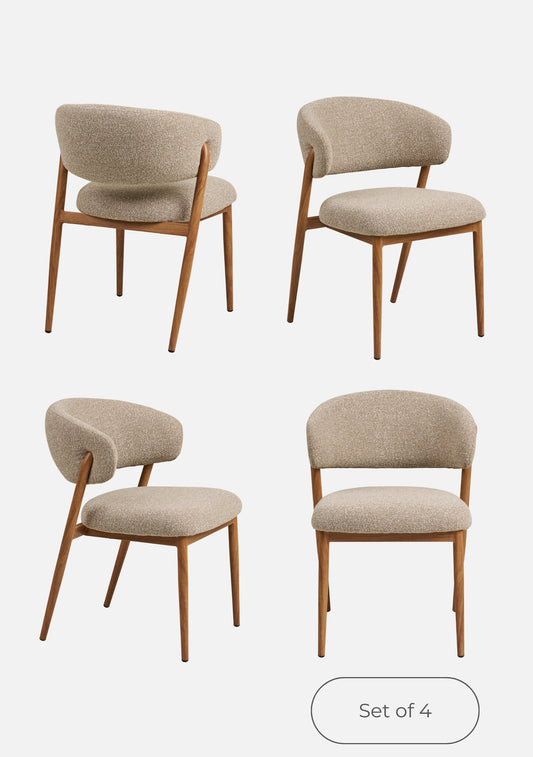
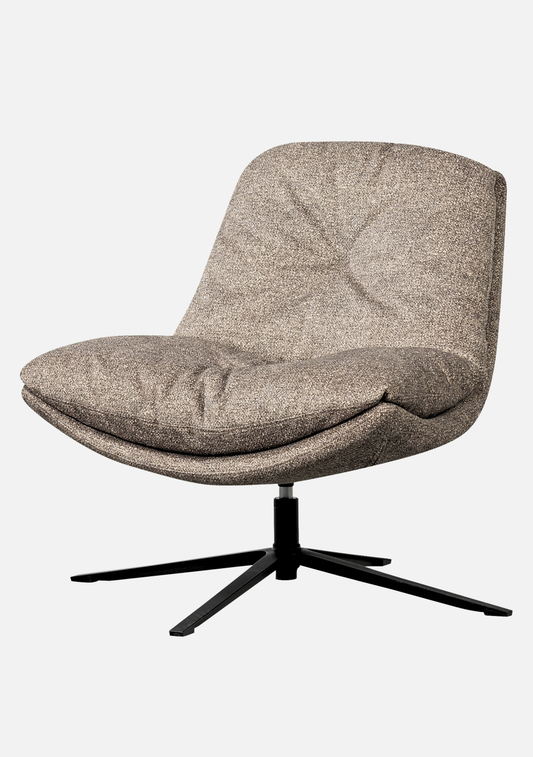
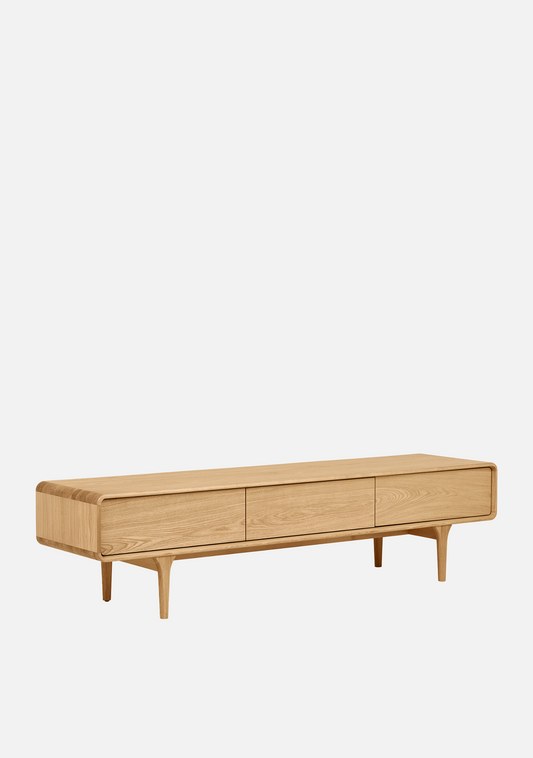
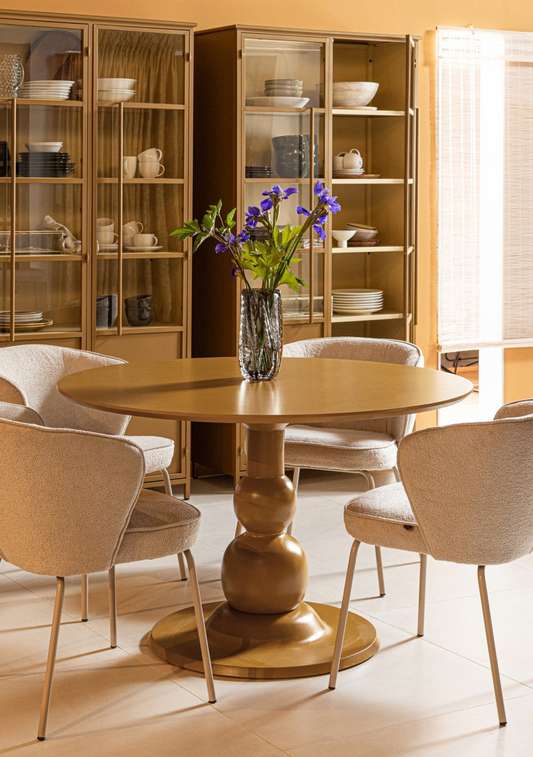
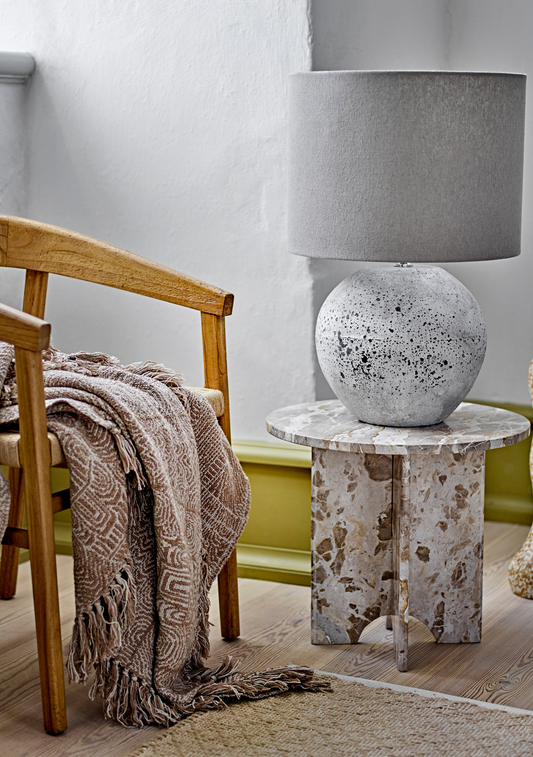
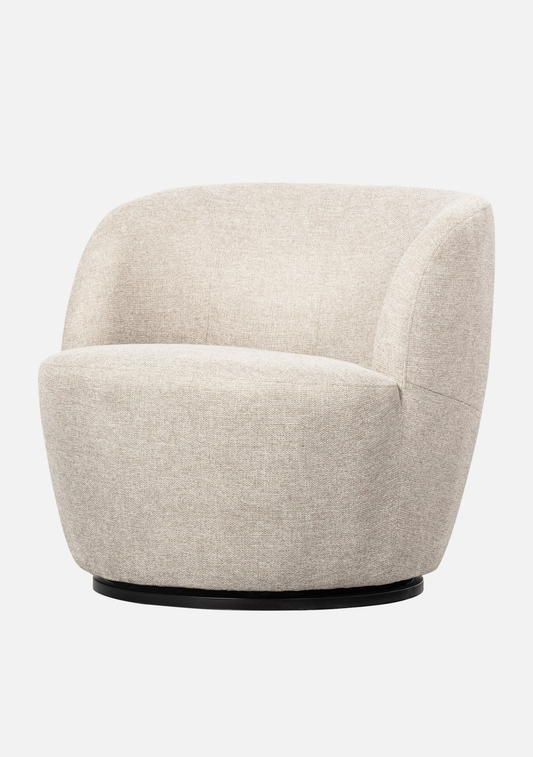
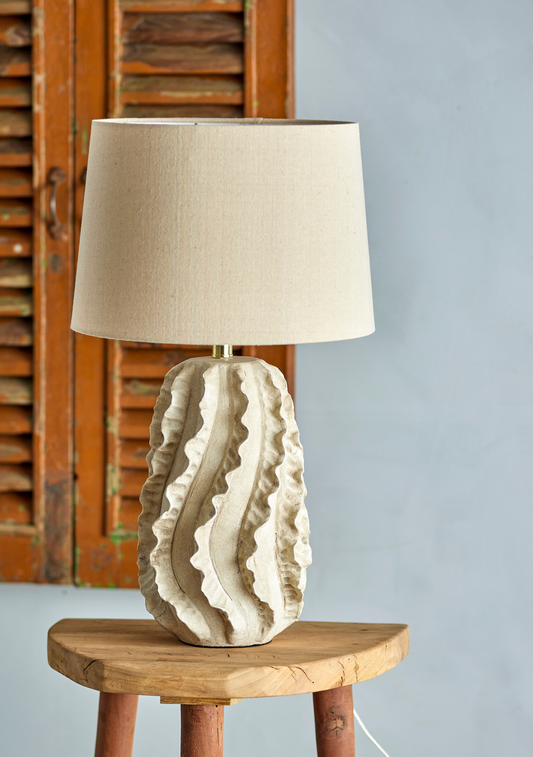
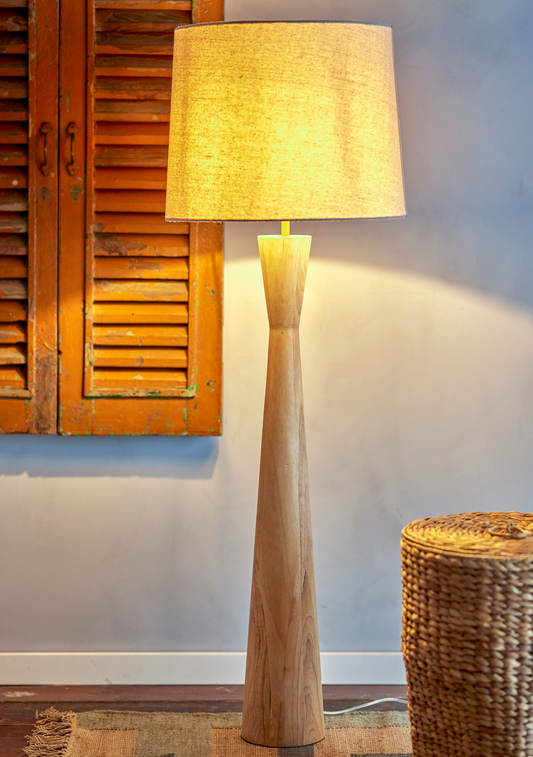
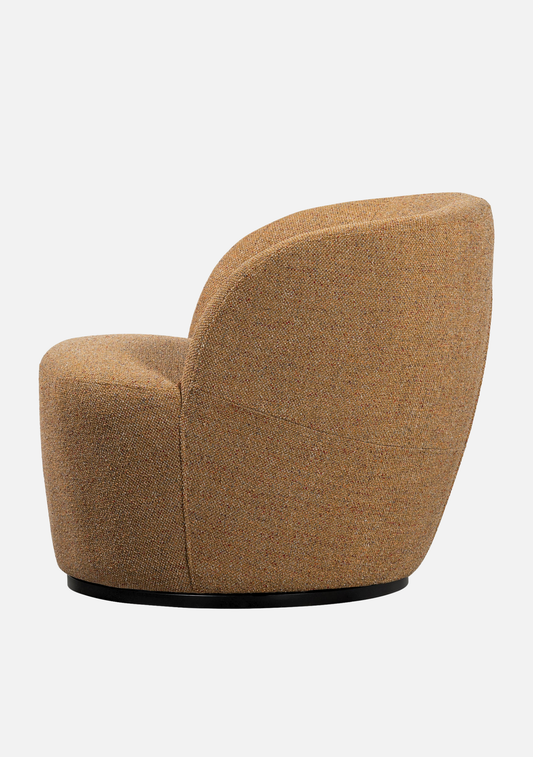
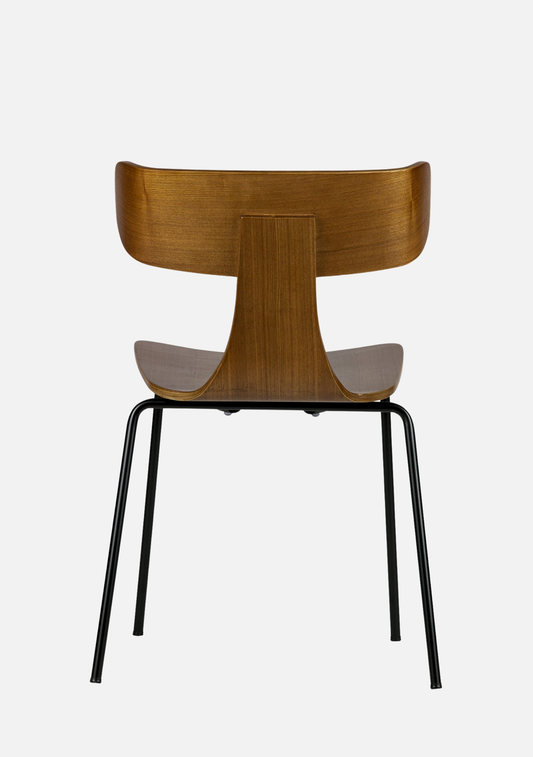
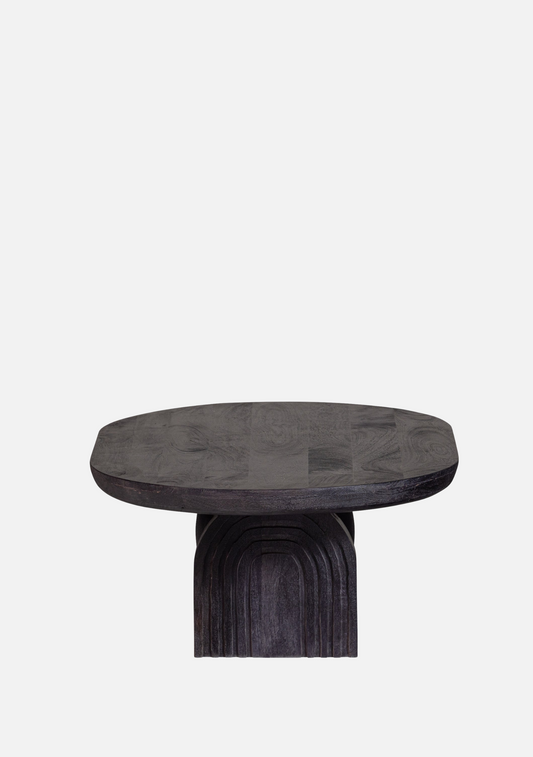
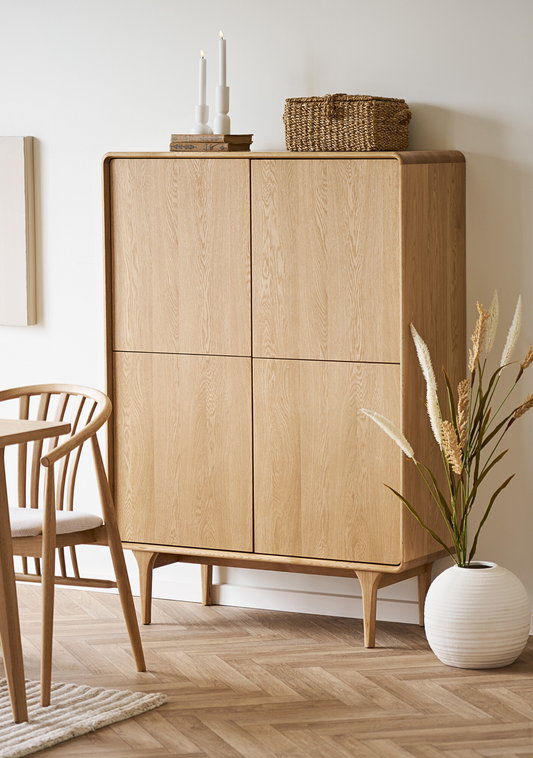
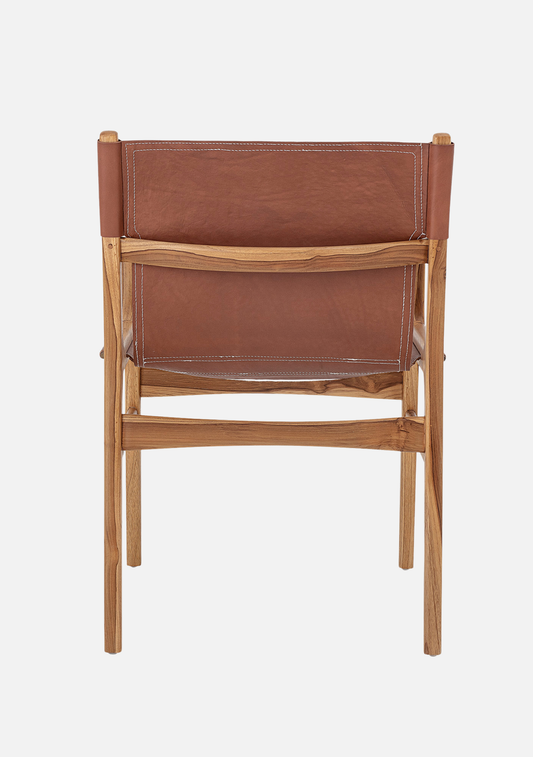
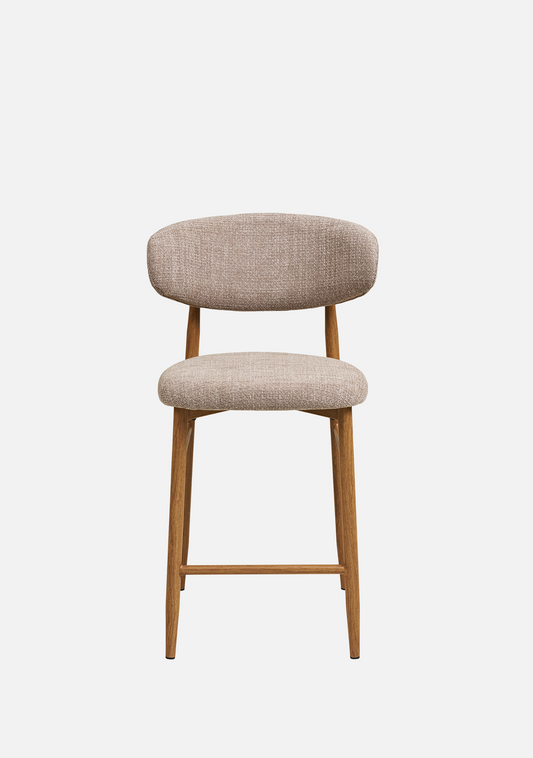
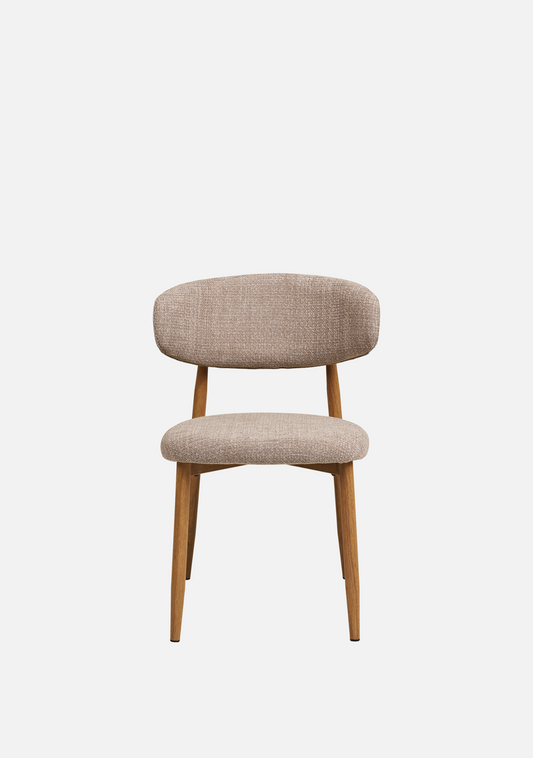
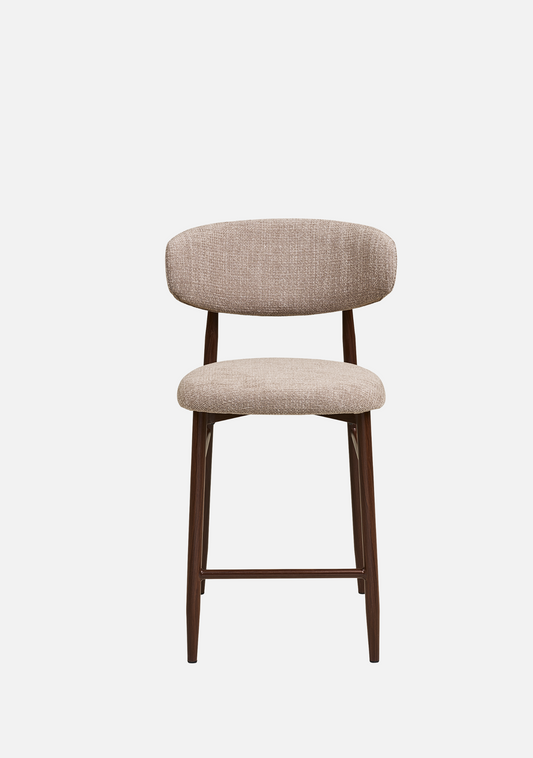
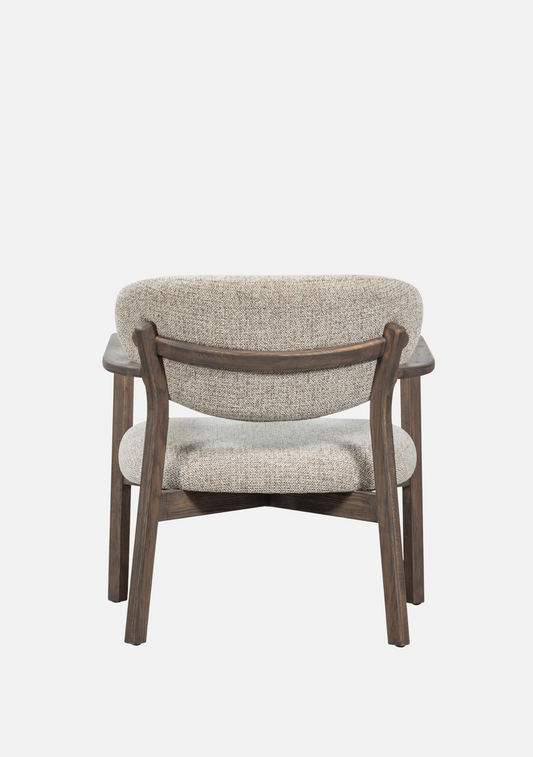
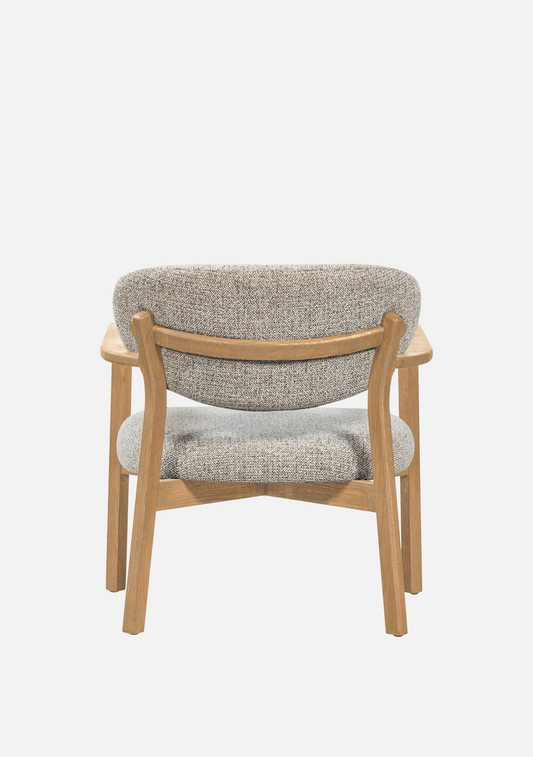
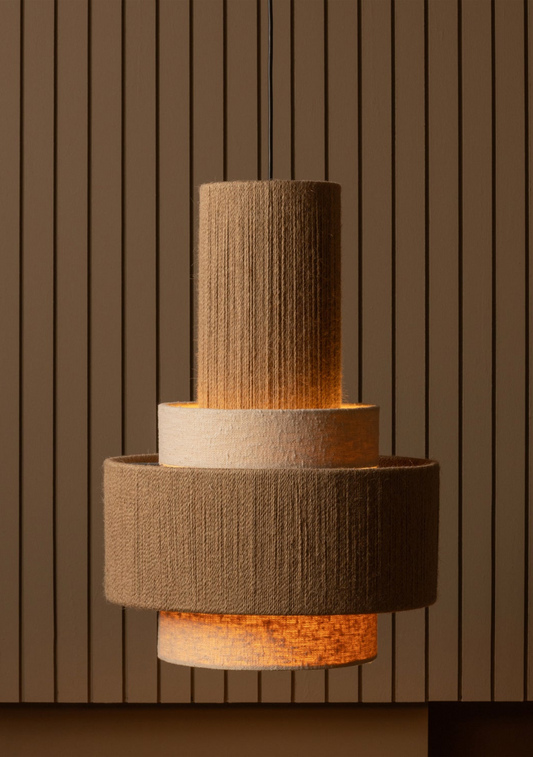
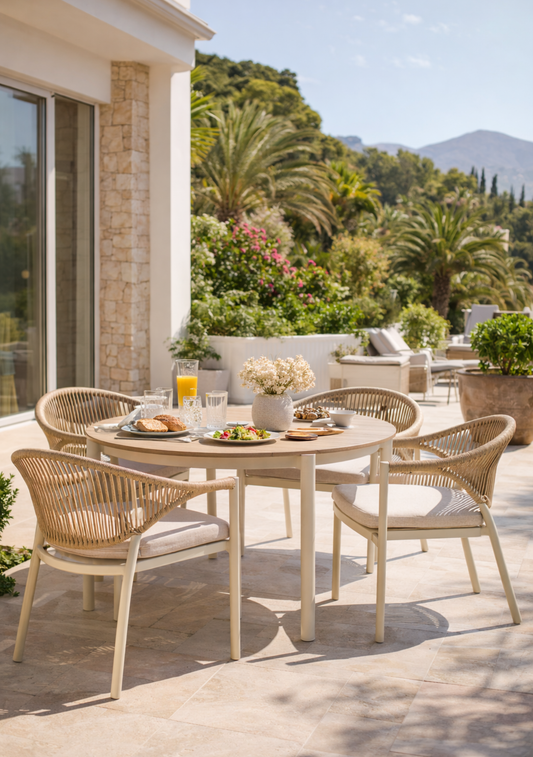
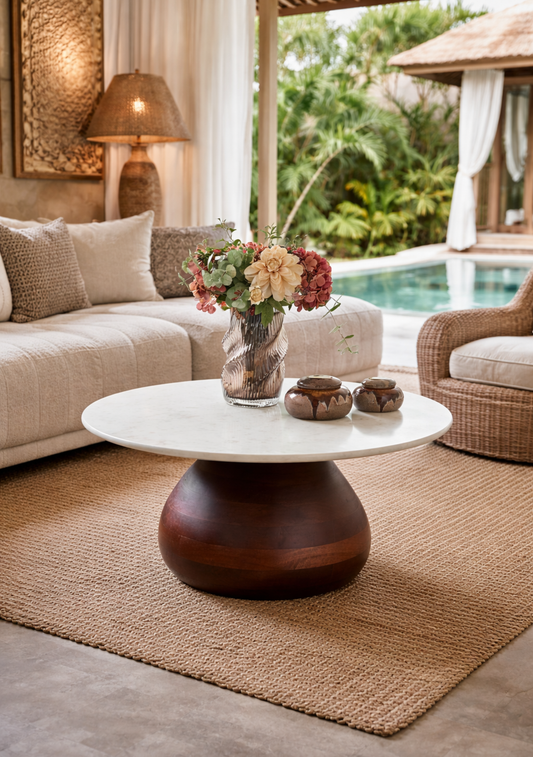
Inspired by Nature: Modern Furniture in Oak, Stone and Rattan
Share
Natural Living: How Organic Materials Shape Modern Interiors
In a world increasingly defined by noise — visual, digital, material — a new aesthetic is emerging. It’s not loud. It’s not excessive. It doesn’t scream for attention. It whispers. It breathes. It invites presence.
Across Europe and beyond, architects, designers, and discerning homeowners are returning to natural materials and understated forms as the new symbols of timeless elegance. This movement is not simply about visual appeal — it reflects a broader cultural shift: from consumption to curation, from trends to timelessness, from clutter to clarity.
Natural Materials as Modern Icons
The use of wood, stone, linen, ceramics, and rattan is no longer reserved for rustic or rural interiors. Today, these materials define the most refined urban spaces — from boutique hotels in Copenhagen to Michelin-starred restaurants in Lisbon.
At the center of this trend are:
Solid oak — celebrated for its depth, strength, and grain
Acacia wood — durable, versatile, with organic warmth
Stone and cement — grounding, architectural, elemental
Rattan — tactile, relaxed, yet structured
These are not decorative accents. They are structural choices, carefully made. Each material brings visual stillness, textural contrast, and a feeling of human scale.
The Rise of Purposeful Simplicity
Minimalism is no longer about sterile white spaces. The new minimalism — especially in Scandinavian and Japandi-inspired interiors — is emotional, layered, and warm.
It values:
quality over quantity
negative space over overdecoration
form that follows intention, not trend
This approach results in interiors that feel open yet intimate, refined yet approachable. Whether in a private residence, wellness spa, or high-end hospitality space, these environments foster calm, focus, and restoration.
Why This Trend Matters in 2025 and Beyond
The demand for natural, sustainable, and minimalist furniture has surged in response to two converging forces:
Sustainability — conscious consumers now expect durability, ethical sourcing, and low-impact design
Mental clarity — modern lifestyles require homes that support emotional wellbeing, not visual anxiety
In short, our interiors have become reflections of our values.
Designing with Less, Living with More
The beauty of this movement lies in its restraint. A table is not just a table — it is a centerpiece for gathering. A wooden chair is not merely a seat — it is a statement of intention.
At Elara Maison, our collections embody this philosophy. In Scandinavian Natural Living, every piece — from FSC-certified oak sideboards to stone-topped dining tables and rattan-accented chairs — is designed to serve both function and feeling.
We believe that the future of interiors is not maximal. It is meaningful.
Applications Across Private and Professional Spaces
This design approach is reshaping how we furnish:
Homes – with versatile, long-lasting pieces that ground daily rituals
Restaurants – where organic textures support culinary storytelling
Boutique hotels – where guests connect not with glamour, but with authenticity
Studios and creative spaces – where visual clarity supports focus and flow
Designers across Europe now choose oak over plastic, linen over lacquer, form over flourish.
Conclusion: A New Standard for Elevated Interiors
Natural materials and minimalist design are not a style. They are a standard — one that defines modern sophistication. This is not about returning to the past. It is about creating spaces that last, that age beautifully, and that serve the people who live and move within them.
At Elara Maison, we are proud to be part of this quiet, global shift toward interiors with soul.
FAQ: Natural Materials in Modern Interiors
1. Why are natural materials gaining popularity in 2025?
Natural materials reflect a growing shift toward sustainability, authenticity, and emotional well-being. Consumers are rejecting synthetic mass production in favor of textures, warmth, and materials with a clear origin.
2. What are the key benefits of using materials like oak, rattan, and stone in interiors?
These materials provide visual stillness, timeless appeal, and structural integrity. Oak offers strength and depth. Rattan adds relaxed elegance. Stone introduces architectural grounding. Together, they create interiors that feel intentional and enduring.
3. Is minimalist design the same as using natural materials?
No. Minimalism is a design philosophy, while natural materials are a choice of content and texture. However, they often complement each other: minimalism focuses on form and function, and natural materials enhance this clarity with tactile richness.
4. What role does sustainability play in material selection?
Sustainability is central. Ethically sourced oak, FSC certification, local production, and low-impact processing methods reflect a growing demand for conscious design that supports environmental responsibility without sacrificing aesthetics.
5. Can these materials be used in commercial settings like hotels and restaurants?
Yes. Scandinavian Natural Living is increasingly seen in boutique hotels, Michelin-starred restaurants, and creative spaces. These materials communicate calm, authenticity, and modern luxury — qualities valued in both private and professional environments.
6. How does natural design influence mental clarity?
Natural textures reduce visual noise and support emotional balance. Organic surfaces, such as linen, oak, or ceramics, calm the senses, which is essential in an overstimulated digital world.
7. How can I start incorporating these materials at home?
Begin with anchor pieces like an oak dining table or rattan-accented chairs. Focus on quality over quantity. Choose timeless shapes and tactile finishes that elevate your space while staying true to your values.
8. Are natural materials more expensive?
They can be, due to craftsmanship and ethical sourcing. However, they offer long-term value — both aesthetically and functionally. These pieces age gracefully and are designed to last.
9. Where can I explore collections inspired by these principles?
You can explore the full Elara Maison collection under Scandinavian Natural Living – Oak & Minimalist Furniture.