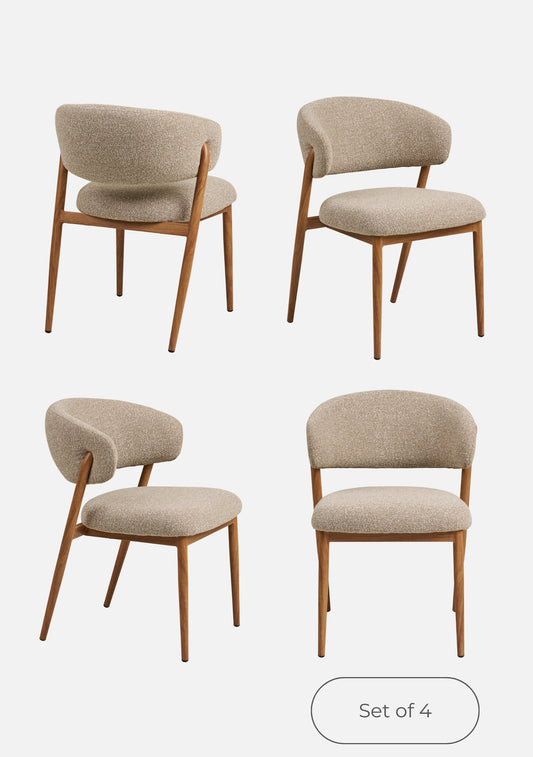
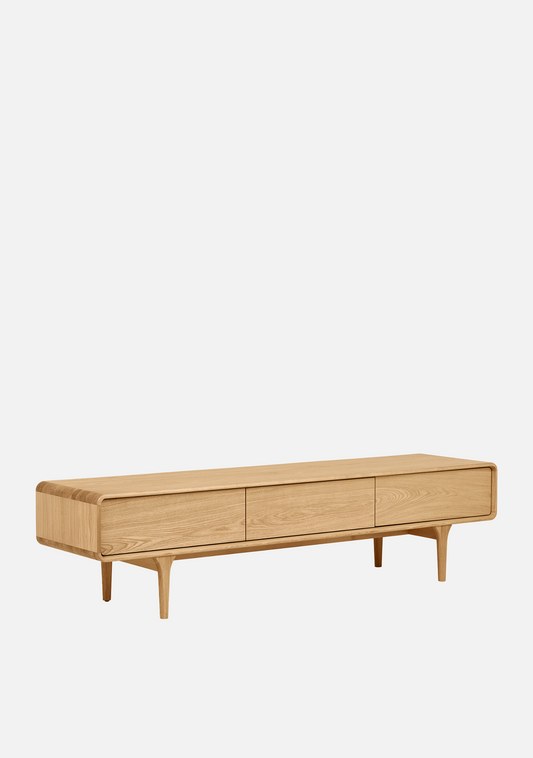
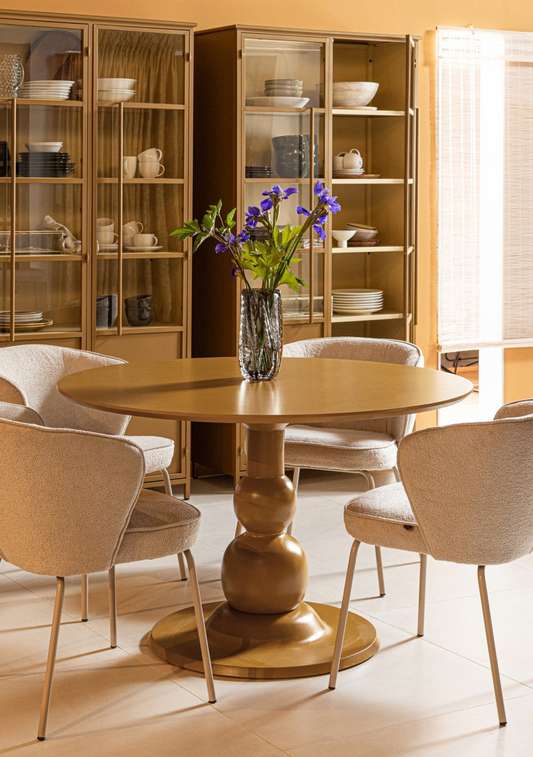
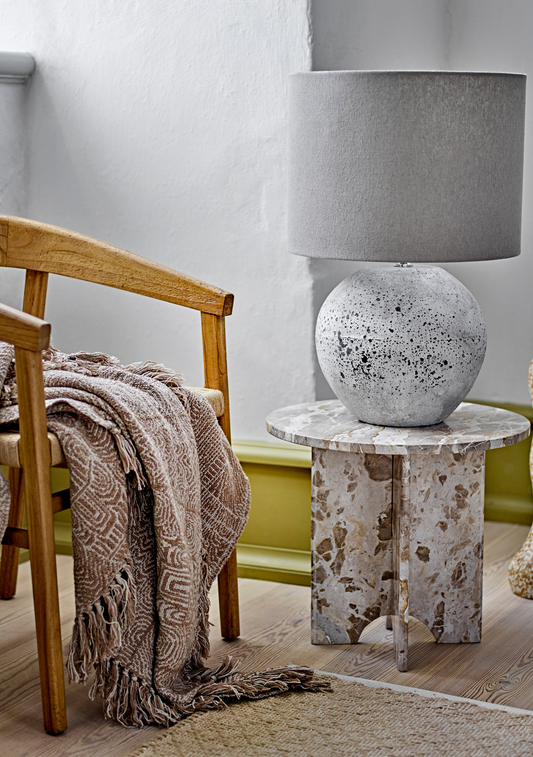
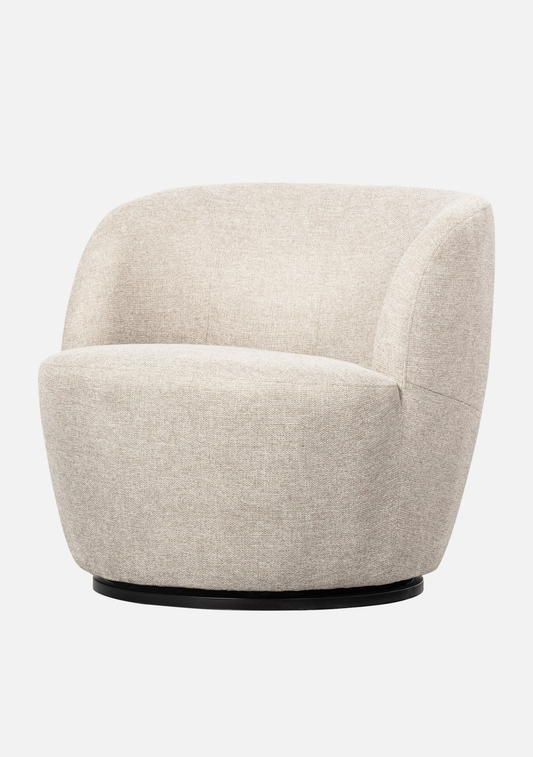
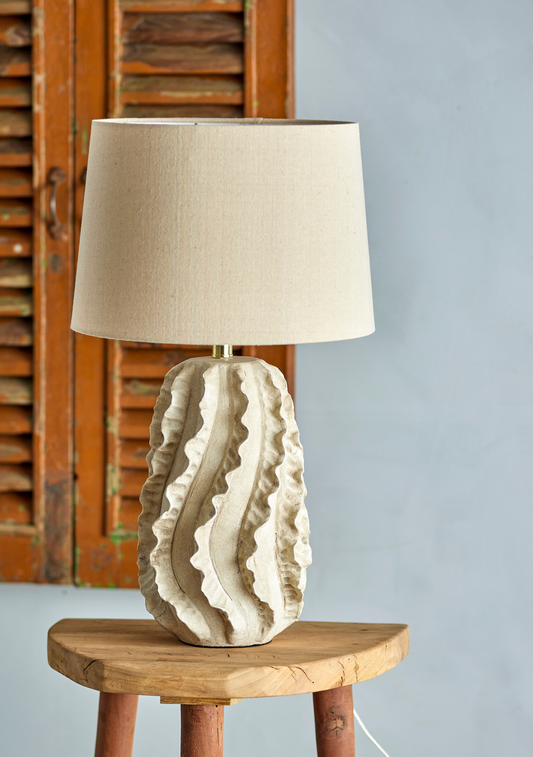
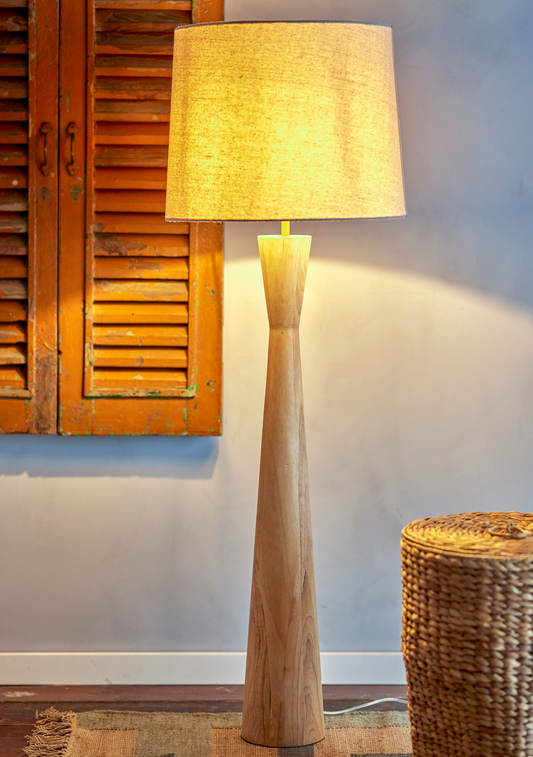
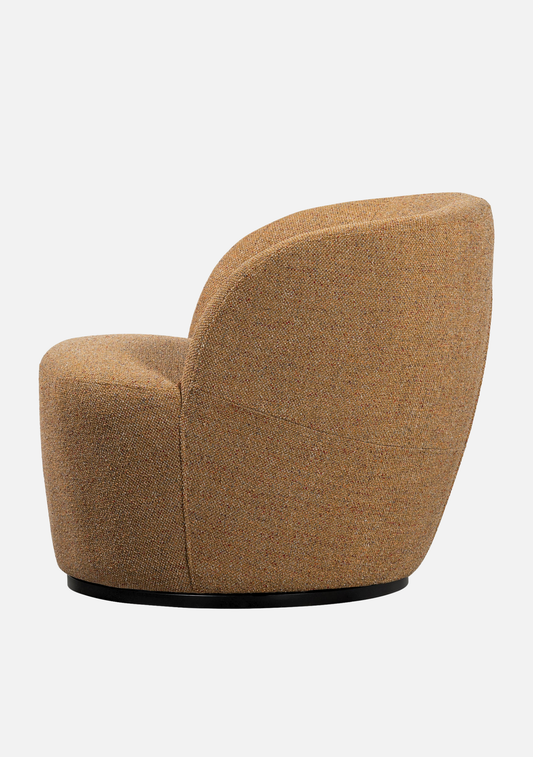
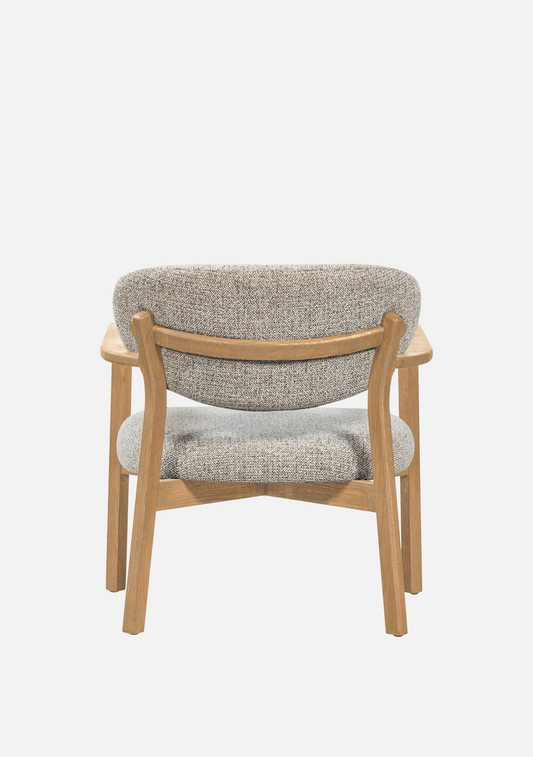
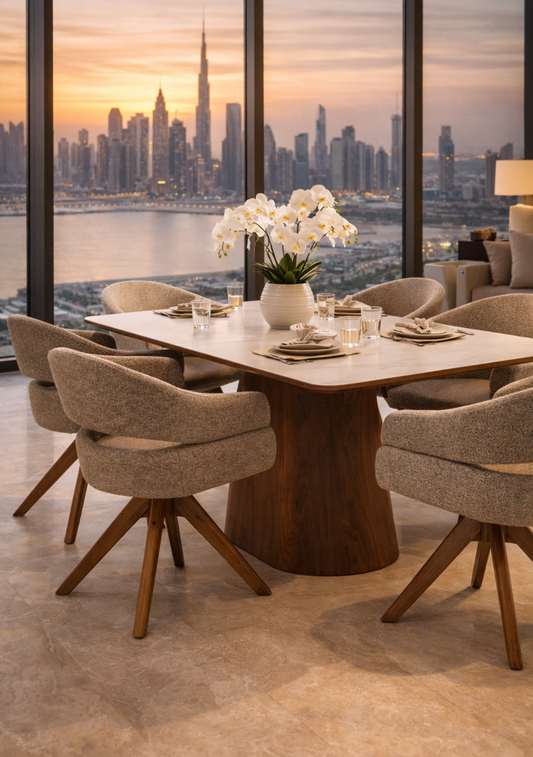
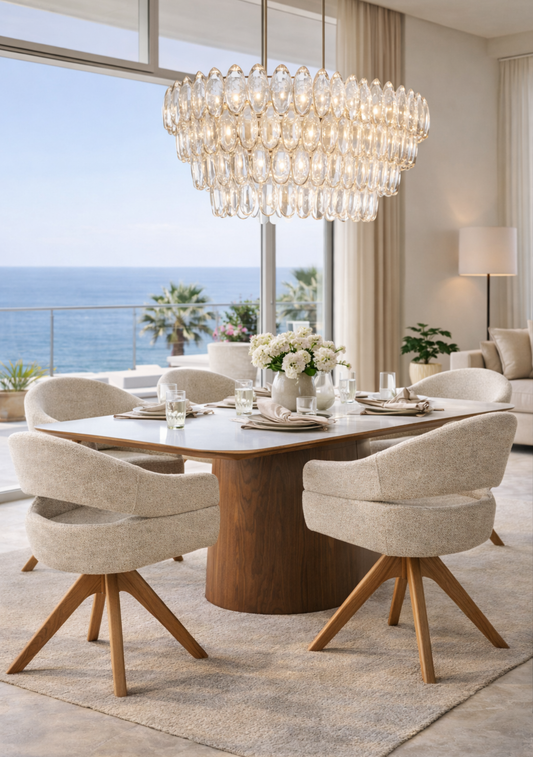
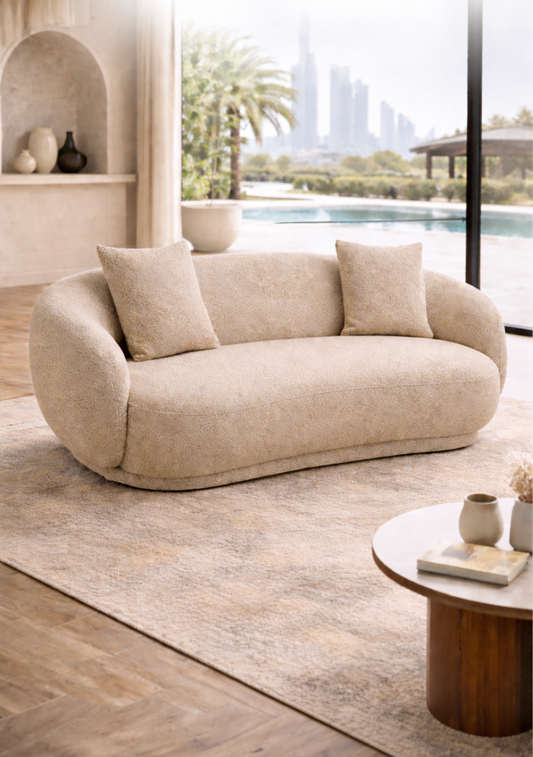
Inspiré par la nature : Mobilier moderne en chêne, pierre et rotin
Partager
Vie Naturelle : Comment les matériaux organiques façonnent les intérieurs modernes
Dans un monde de plus en plus défini par le bruit – visuel, numérique, matériel – une nouvelle esthétique émerge. Elle n'est pas bruyante. Elle n'est pas excessive. Elle ne crie pas pour attirer l'attention. Elle murmure. Elle respire. Elle invite à la présence.
À travers l'Europe et au-delà, architectes, designers et propriétaires exigeants reviennent aux matériaux naturels et aux formes sobres comme nouveaux symboles d'une élégance intemporelle. Ce mouvement ne se limite pas à l'attrait visuel — il reflète un changement culturel plus large : de la consommation à la curation, des tendances à l'intemporalité, du désordre à la clarté.
Les Matériaux Naturels comme Icônes Modernes
L'utilisation du bois, de la pierre, du lin, de la céramique et du rotin n'est plus réservée aux intérieurs rustiques ou ruraux. Aujourd'hui, ces matériaux définissent les espaces urbains les plus raffinés — des hôtels-boutiques de Copenhague aux restaurants étoilés de Lisbonne.
Au centre de cette tendance se trouvent :
Le chêne massif — célébré pour sa profondeur, sa force et son grain
Le bois d'acacia — durable, polyvalent, avec une chaleur organique
La pierre et le ciment — ancrage, architecture, éléments fondamentaux
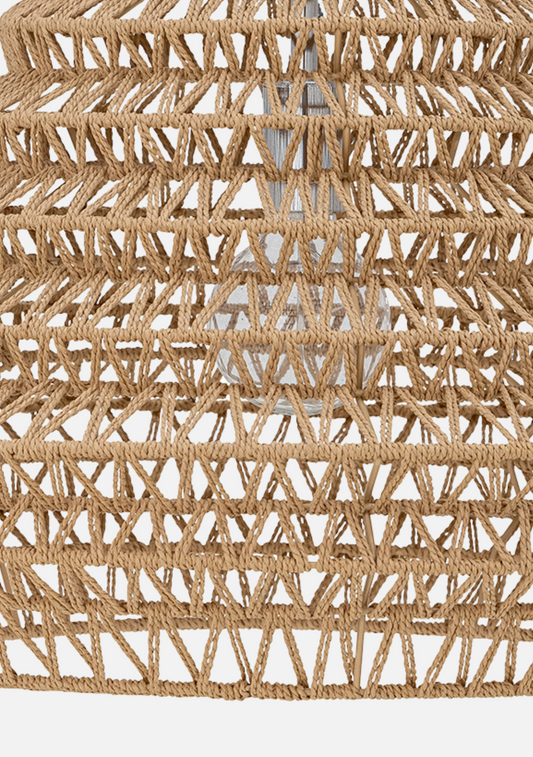
Le rotin — tactile, décontracté, mais structuré
Ce ne sont pas des accents décoratifs. Ce sont des choix structurels, faits avec soin. Chaque matériau apporte une quiétude visuelle, un contraste textural et une sensation d' échelle humaine.
L'Essor de la Simplicité Délibérée
Le minimalisme ne se résume plus aux espaces blancs et stériles. Le nouveau minimalisme — notamment dans les intérieurs d'inspiration scandinave et japandi — est émotionnel, stratifié et chaleureux.
Il valorise :
la qualité plutôt que la quantité
l'espace négatif plutôt que la surcharge décorative
la forme qui suit l'intention, pas la tendance
Cette approche donne des intérieurs qui se veulent ouverts mais intimes, raffinés mais accessibles. Que ce soit dans une résidence privée, un spa de bien-être ou un espace hôtelier haut de gamme, ces environnements favorisent le calme, la concentration et la régénération.
Pourquoi cette tendance est importante en 2025 et au-delà
La demande pour un mobilier naturel, durable et minimaliste a bondi en réponse à deux forces convergentes :
La durabilité — les consommateurs conscients attendent désormais durabilité, approvisionnement éthique et conception à faible impact
La clarté mentale — les modes de vie modernes exigent des foyers qui soutiennent le bien-être émotionnel, et non l'anxiété visuelle
En bref, nos intérieurs sont devenus le reflet de nos valeurs.
Concevoir avec Moins, Vivre avec Plus
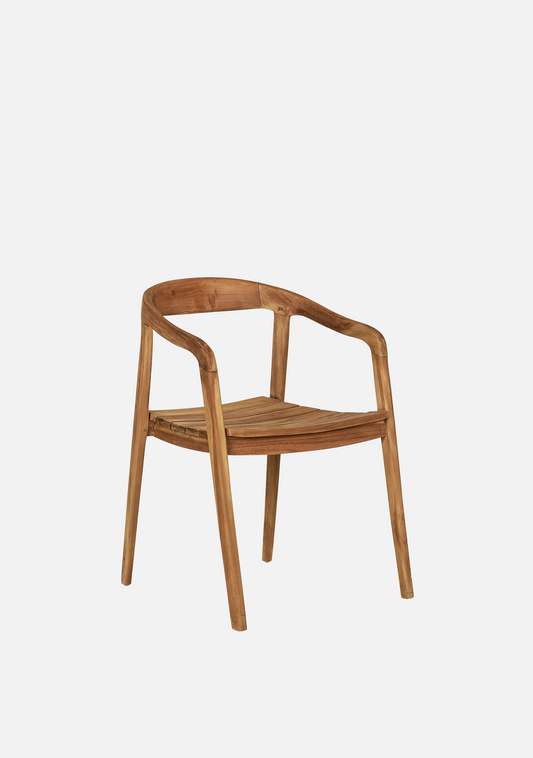
La beauté de ce mouvement réside dans sa retenue. Une table n'est pas seulement une table — c'est une pièce maîtresse pour les rassemblements. Une chaise en bois n'est pas qu'un simple siège — c'est une déclaration d'intention.
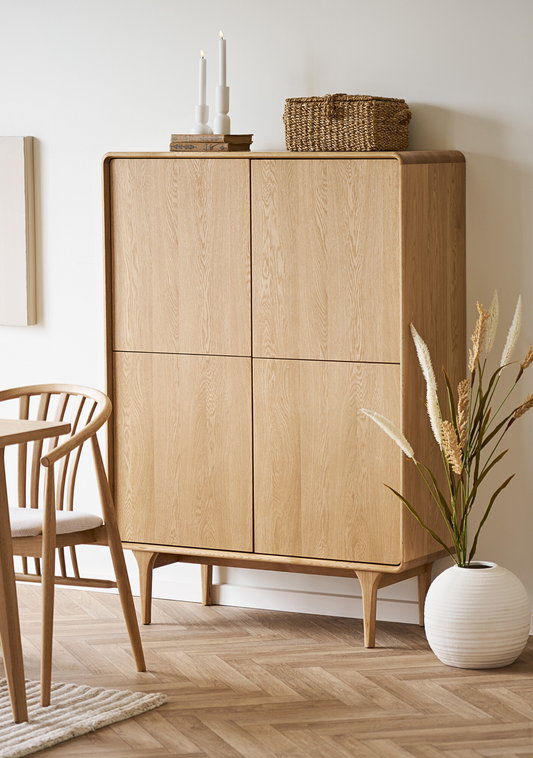
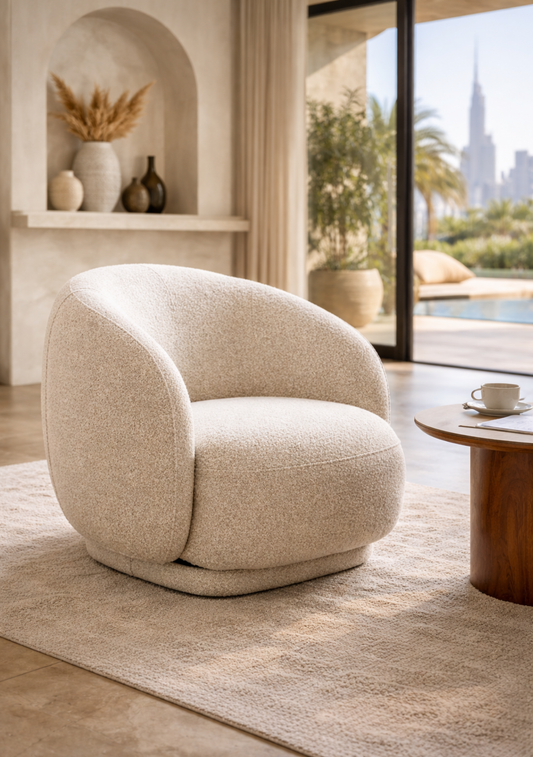
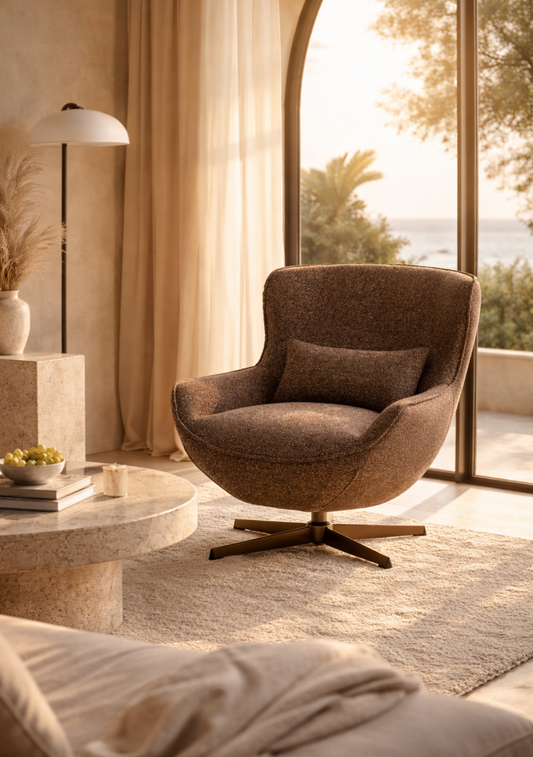
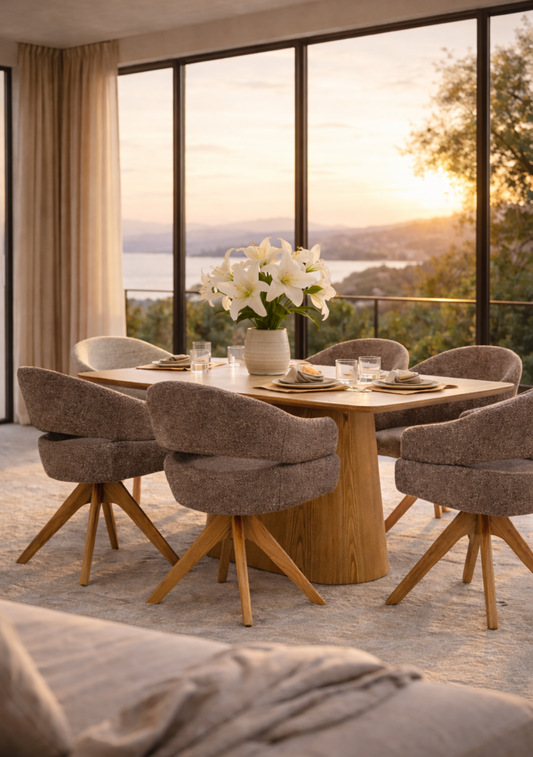
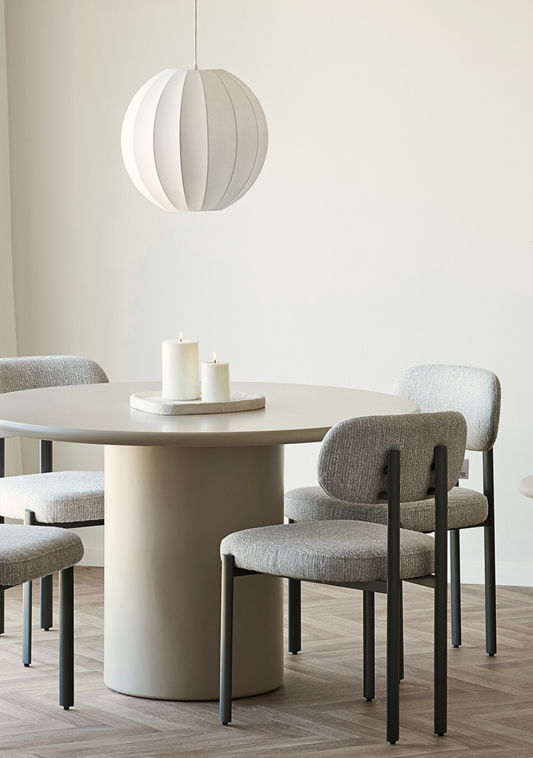
Chez Elara Maison, nos collections incarnent cette philosophie. Dans Scandinavian Natural Living, chaque pièce — des buffets en chêne certifié FSC aux tables à manger à plateau en pierre et aux chaises accentuées de rotin — est conçue pour servir à la fois la fonction et le sentiment.
Nous pensons que l'avenir des intérieurs n'est pas maximaliste. Il est significatif.
Applications dans les Espaces Privés et Professionnels
Cette approche de conception redéfinit la manière dont nous aménageons :
Les maisons – avec des pièces polyvalentes et durables qui ancrent les rituels quotidiens
Les restaurants – où les textures organiques soutiennent le récit culinaire
Les hôtels-boutiques – où les clients se connectent non pas au glamour, mais à l'authenticité
Les studios et espaces créatifs – où la clarté visuelle favorise la concentration et le flux
Les designers à travers l'Europe choisissent désormais le chêne plutôt que le plastique, le lin plutôt que la laque, la forme plutôt que le faste.
Conclusion : Une Nouvelle Norme pour des Intérieurs Élevés
Les matériaux naturels et le design minimaliste ne sont pas un style. Ils sont une norme — une norme qui définit la sophistication moderne. Il ne s'agit pas de revenir au passé. Il s'agit de créer des espaces qui durent, qui vieillissent magnifiquement et qui servent les personnes qui y vivent et s'y déplacent.
Chez Elara Maison, nous sommes fiers de faire partie de ce mouvement discret et mondial vers des intérieurs avec une âme.
FAQ : Matériaux Naturels dans les Intérieurs Modernes
1. Pourquoi les matériaux naturels gagnent-ils en popularité en 2025 ?
Les matériaux naturels reflètent une évolution croissante vers la durabilité, l'authenticité et le bien-être émotionnel. Les consommateurs rejettent la production de masse synthétique au profit des textures, de la chaleur et des matériaux d'origine claire.
2. Quels sont les principaux avantages d'utiliser des matériaux comme le chêne, le rotin et la pierre dans les intérieurs ?
Ces matériaux offrent une quiétude visuelle, un attrait intemporel et une intégrité structurelle. Le chêne apporte force et profondeur. Le rotin ajoute une élégance décontractée. La pierre introduit un ancrage architectural. Ensemble, ils créent des intérieurs qui se veulent intentionnels et durables.
3. Le design minimaliste est-il la même chose que l'utilisation de matériaux naturels ?
Non. Le minimalisme est une philosophie de conception, tandis que les matériaux naturels sont un choix de contenu et de texture. Cependant, ils se complètent souvent : le minimalisme se concentre sur la forme et la fonction, et les matériaux naturels améliorent cette clarté par une richesse tactile.
4. Quel rôle joue la durabilité dans la sélection des matériaux ?
La durabilité est essentielle. Le chêne issu de sources éthiques, la certification FSC, la production locale et les méthodes de transformation à faible impact reflètent une demande croissante pour un design conscient qui soutient la responsabilité environnementale sans sacrifier l'esthétique.
5. Ces matériaux peuvent-ils être utilisés dans des environnements commerciaux comme les hôtels et les restaurants ?
Oui. Le style de vie naturel scandinave est de plus en plus présent dans les hôtels-boutiques, les restaurants étoilés au Michelin et les espaces créatifs. Ces matériaux communiquent le calme, l'authenticité et le luxe moderne — des qualités appréciées tant dans les environnements privés que professionnels.
6. Comment le design naturel influence-t-il la clarté mentale ?
Les textures naturelles réduisent le bruit visuel et favorisent l'équilibre émotionnel. Les surfaces organiques, telles que le lin, le chêne ou la céramique, apaisent les sens, ce qui est essentiel dans un monde numérique surstimulé.
7. Comment puis-je commencer à intégrer ces matériaux chez moi ?
Commencez par des pièces maîtresses comme une table à manger en chêne ou des chaises accentuées de rotin. Privilégiez la qualité à la quantité. Choisissez des formes intemporelles et des finitions tactiles qui rehaussent votre espace tout en restant fidèles à vos valeurs.
8. Les matériaux naturels sont-ils plus chers ?
Ils peuvent l'être, en raison de l'artisanat et de l'approvisionnement éthique. Cependant, ils offrent une valeur à long terme — tant esthétiquement que fonctionnellement. Ces pièces vieillissent avec grâce et sont conçues pour durer.
9. Où puis-je explorer des collections inspirées par ces principes ?
Vous pouvez explorer la collection complète d'Elara Maison sous Scandinavian Natural Living – Chêne, Rotin & Mobilier Minimaliste.